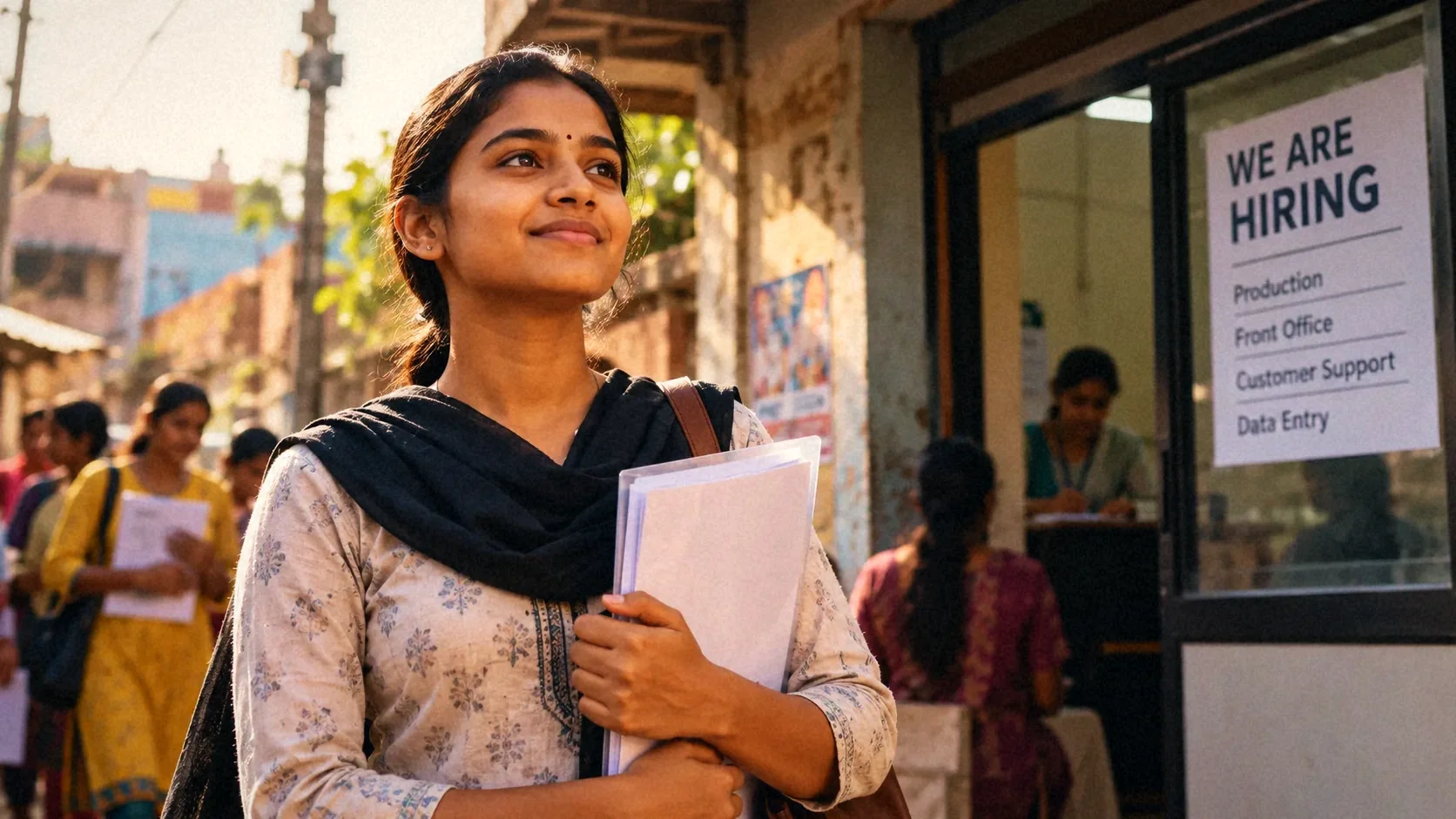
Who
ITI graduate, wants a job
- Today
- Photocopies sent one by one, and weeks of checks.
- With the account
- Verified certificates straight from DigiLocker and SIDH.
The shiftWeeks → seconds

Every day, people in India work, learn, sell and repay loans. Proof of all this already exists in training centres, employers, banks, government schemes and women's groups, but the person can't use it. It sits in separate systems, out of the person's reach.
The Livelihood Account lets them bring that proof together, with their consent, to get their next job, loan, market or scheme.
01The proof exists. It doesn't travel.
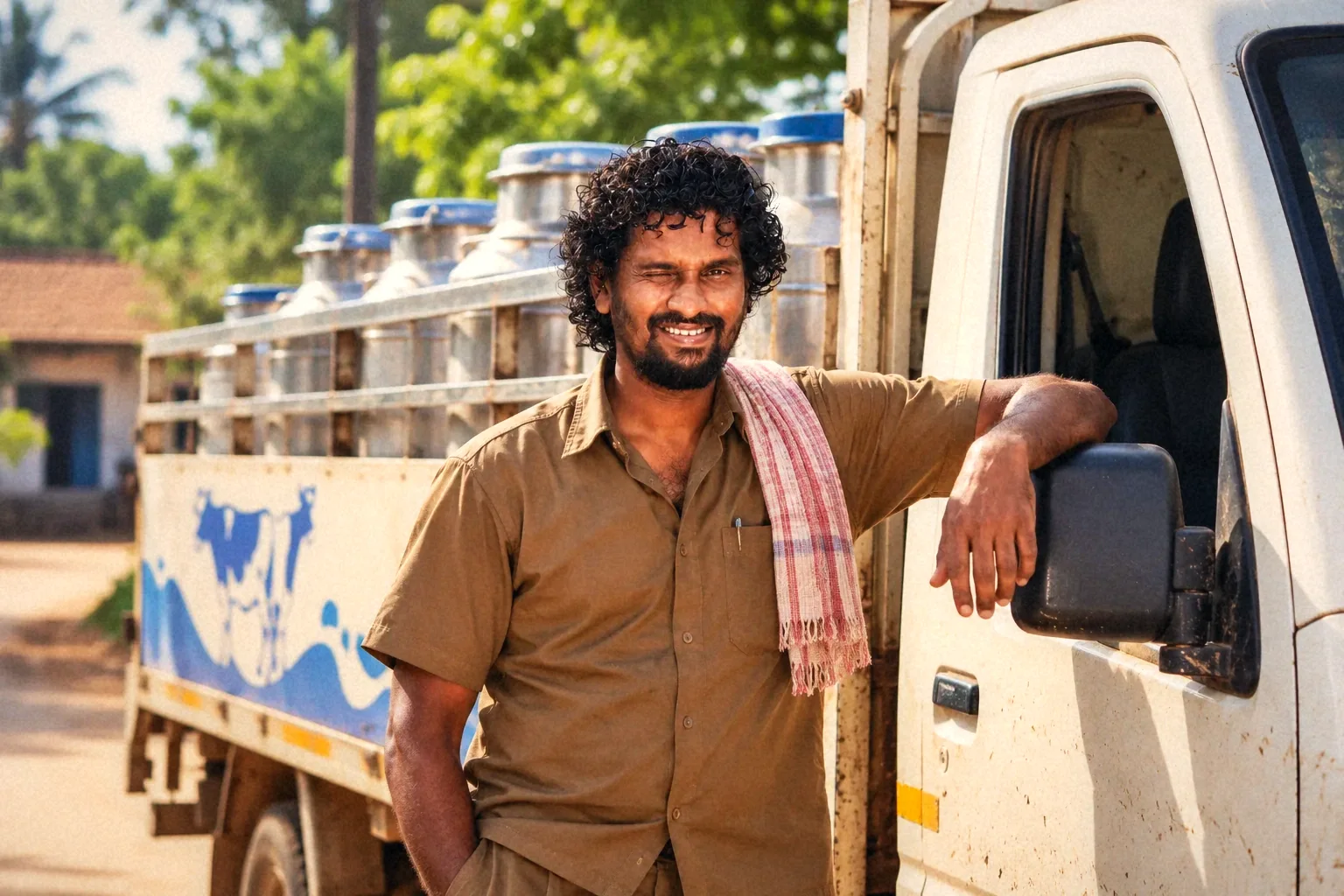
Imagine you've been a good driver for ten years. You apply for a new job, and the new employer has never heard of you. You can't prove your ten years, so you start again from zero.
This happens to millions of people every day.
32 crore
(319 million)
What it means
Informal workers registered with the government. We know who they are, but not what they can do.
1 crore+
(10 million)
What it means
Young people trained under the national skilling program. Their certificates need to count with the next employer.
10 crore
(100 million)
What it means
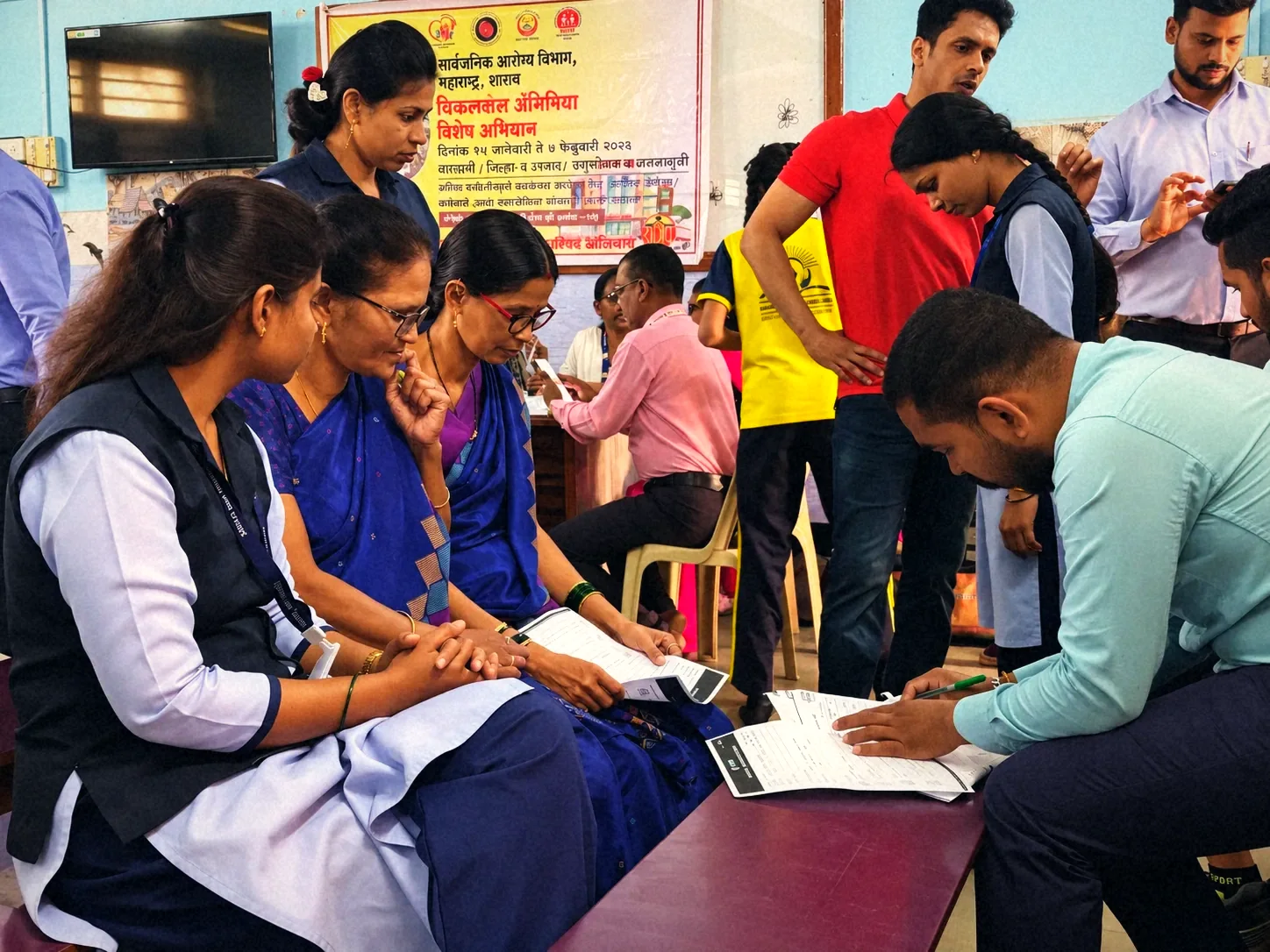
Families in women's self-help groups who repay almost every loan. That record sits in group books, and she can't use it on her own.
₹9 lakh crore
(about $100 billion)
What it means
Digital payments by 55 lakh street vendors. Most employers, suppliers and lenders never see it.
Sources: e-Shram (MoLE 2026) · Economic Survey 2022-23 · DAY-NRLM (MoRD 2026) · PM SVANidhi (MoHUA 2026)
Every employer, lender and buyer asks the same question: can I trust this person's record? Today the proof exists, held in separate systems. A worker registers on one portal for identity, another for training, another for jobs, another for schemes and another for credit. Each asks for the same documents again.
The Livelihood Account is the layer that lets the proof travel with the person.
02
Records stay where they already are, at the source. The Livelihood Account is a key the person holds. It opens those records and shows them to someone they choose.
Training centres, employers, banks, women's groups and government schemes hold it, in systems such as DigiLocker, e-Shram, NCS, SIDH, the Account Aggregator and LokOS.
Consent is time-bound and tied to one purpose. The person can view, manage or withdraw it at any time.
The person reading it sees where it came from and how much weight to give it.
Checked directly at an authoritative source, such as Aadhaar or government data.
Confirmed by a recognised institution, such as an employer, an SHG or a trainer.
Evaluated through a method, such as a skills assessment or a credit score.
Provided by the person.
Time-bound, limited to one purpose, and withdrawable at any time.
The account pulls records with consent. The originals stay where they are.
Every exchange is logged, and a person can ask for a correction or raise a complaint.
Built in line with India's DPDP Act.
Reuses existing digital public infrastructure and builds only the missing connections.
03One key, many opportunities
What they already know
Skills and work history
Income and repayment
Sales, supply and delivery
Eligibility
04Every opportunity builds the next
Ravi finishes a welding course at a training institute in Hubli. The certificate is Verified at source.
With his consent, the institute's record reaches an employer. The employer reviews it and decides independently.
His wages are paid digitally and become part of his record, Attested by the employer.
A lender sees a year of steady income and funds his welding kit. Underwriting stays with the lender.
He takes on his own jobs, and his record wins him a regular client.
His next loan is bigger.
05Real people. Real progress.
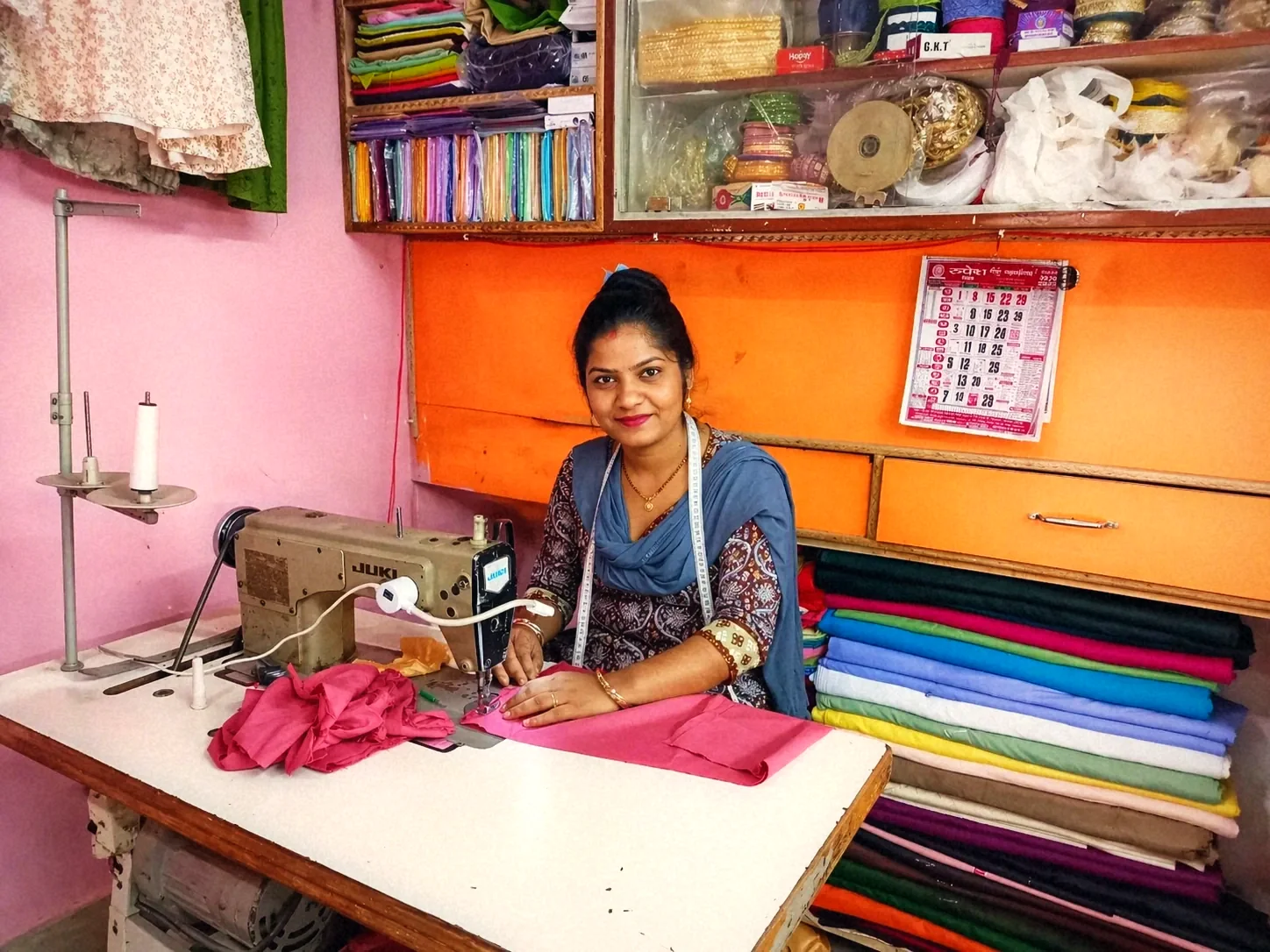
Who
The shiftWeeks → seconds

Who
The shiftDays → minutes
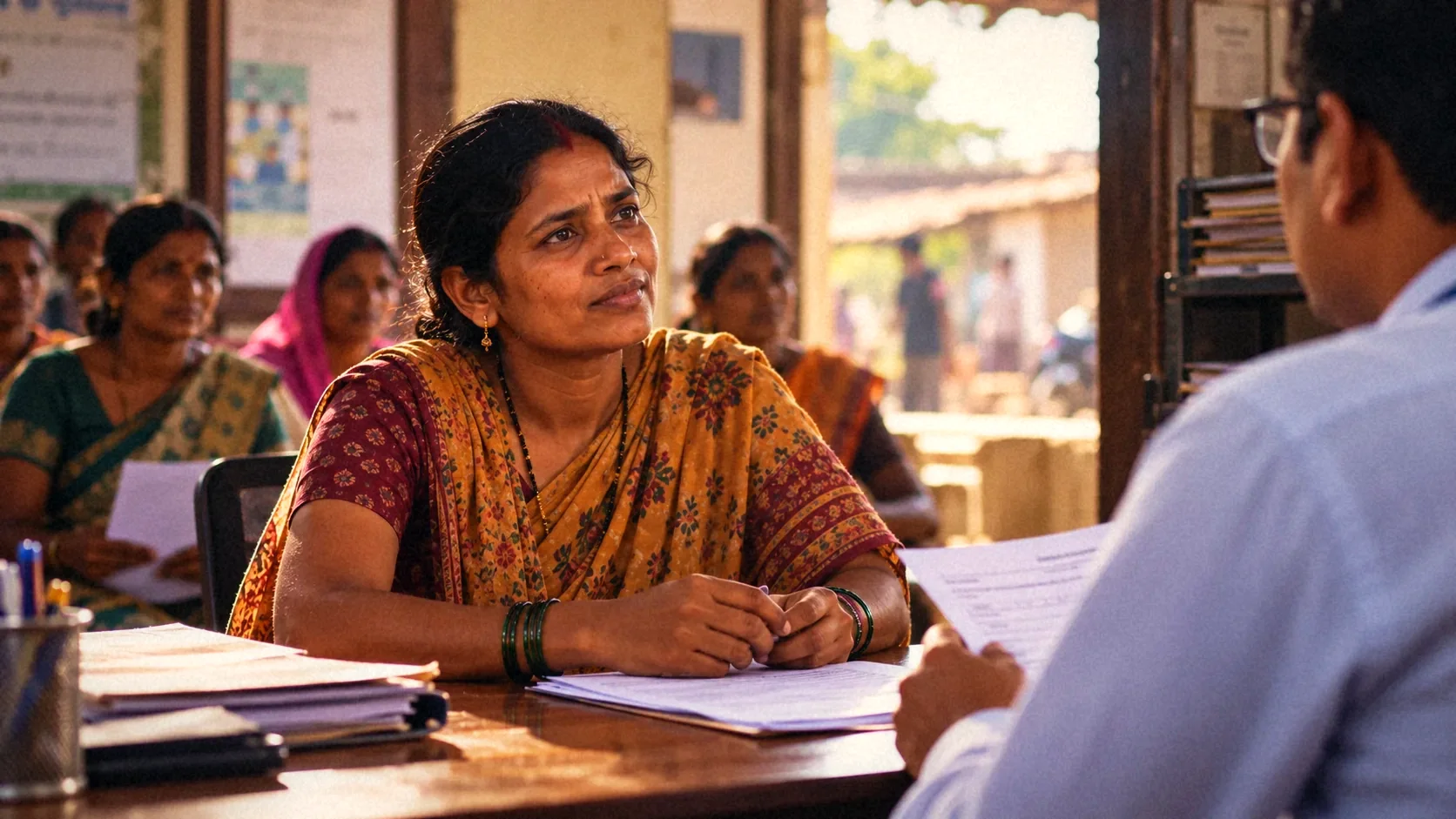
Who
The shiftGroup → her own name
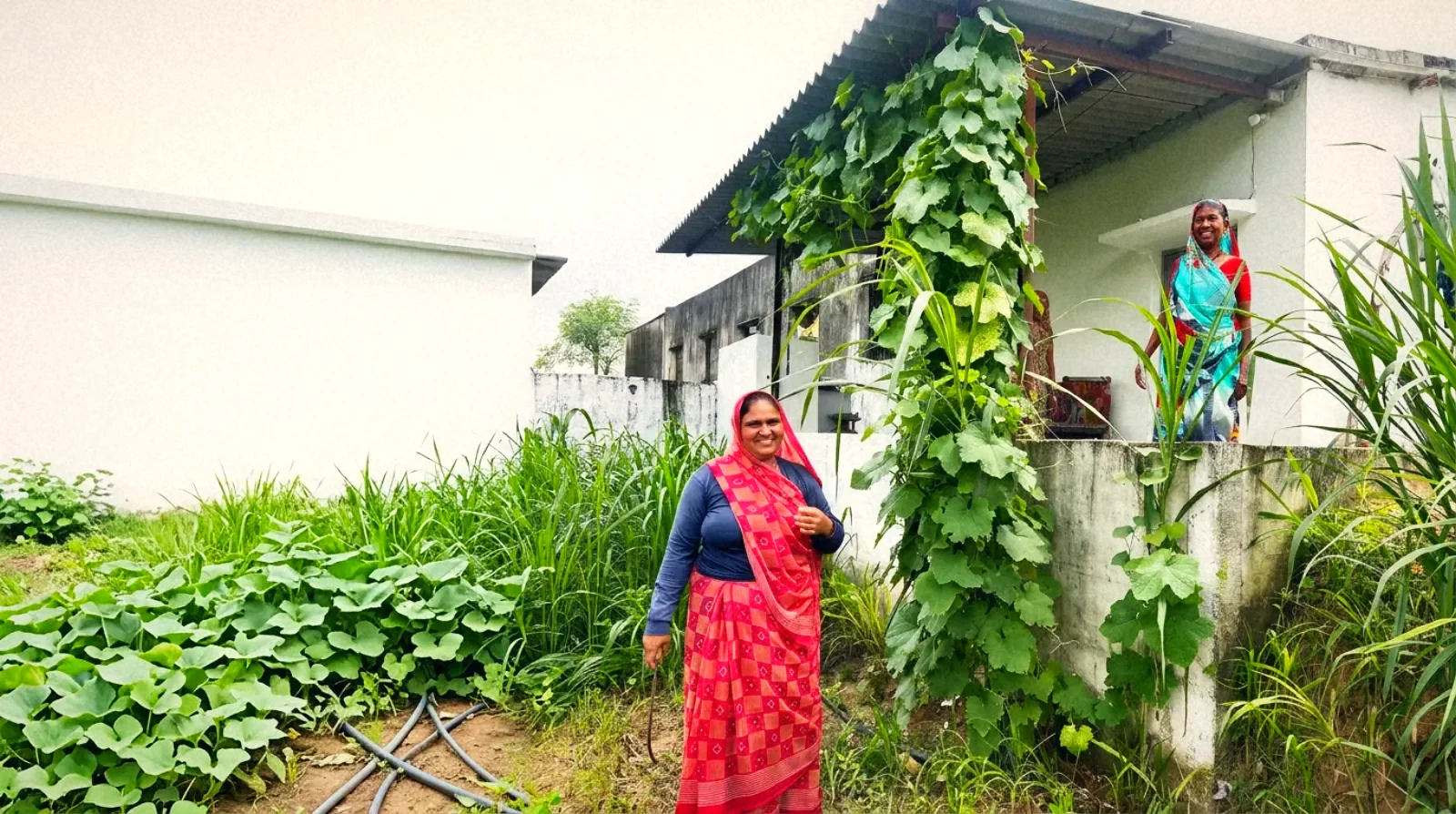
Who
The shiftScattered → one profile

Who
The shiftRepeat forms → one record
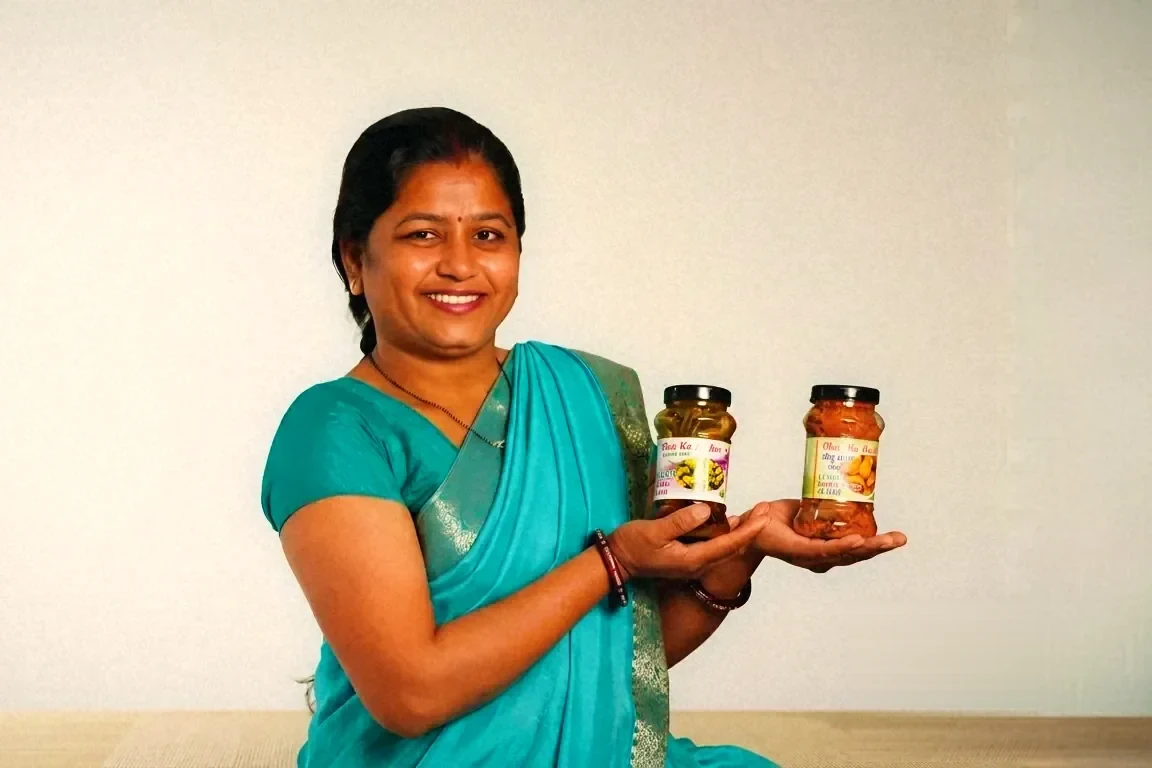
Who
The shiftScattered → portable
The same works for street vendors, weavers, farmers, producers in supply chains, gig workers, domestic workers and small shop owners. If a person earns a living, their record should count.
07Doors it opens
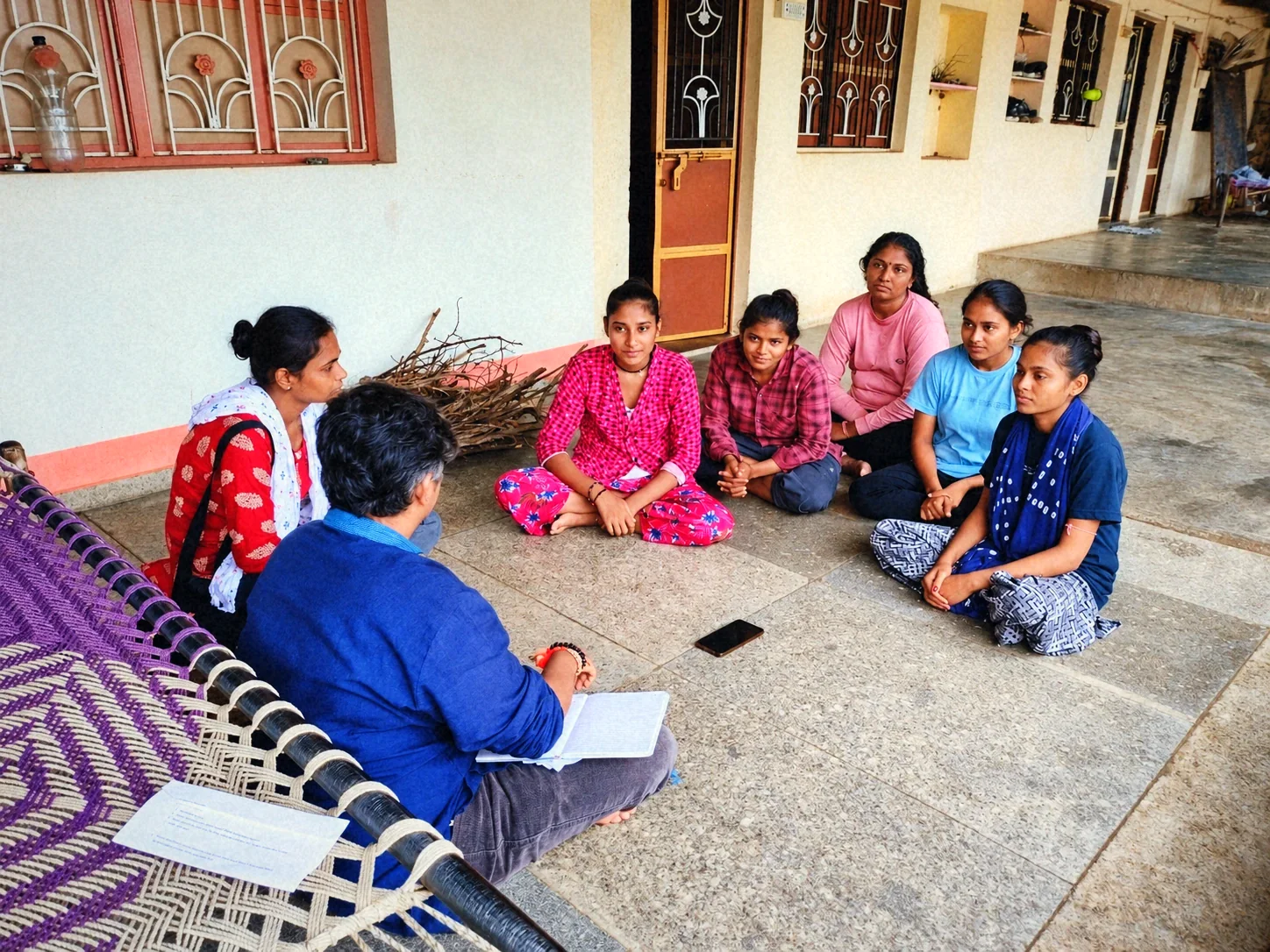
Hire the right person, faster.
Verified skills and work history, with no chasing references.
Lend to people you couldn't see before.
Trusted income and repayment records mean safer decisions.
Build a supply chain you can trust.
Onboard verified producers, suppliers and workers faster.
Reach the right people.
And follow the citizen after enrolment.
Prove your training works.
Every placement is on record.
Build once, help everyone.
One shared layer for every livelihood program.
Hold records? Connect once. Records stay with you, and you keep issuing and maintaining them.
Offer jobs, loans or orders? Ask for the person's consent, read their records with trust labels, and decide on your own terms.
Both start the same way: pick one use case, connect through open APIs, test in a sandbox and go live.
Integrate once. Cut duplicate checks, serve more people and keep an audit trail.
08Already underway
