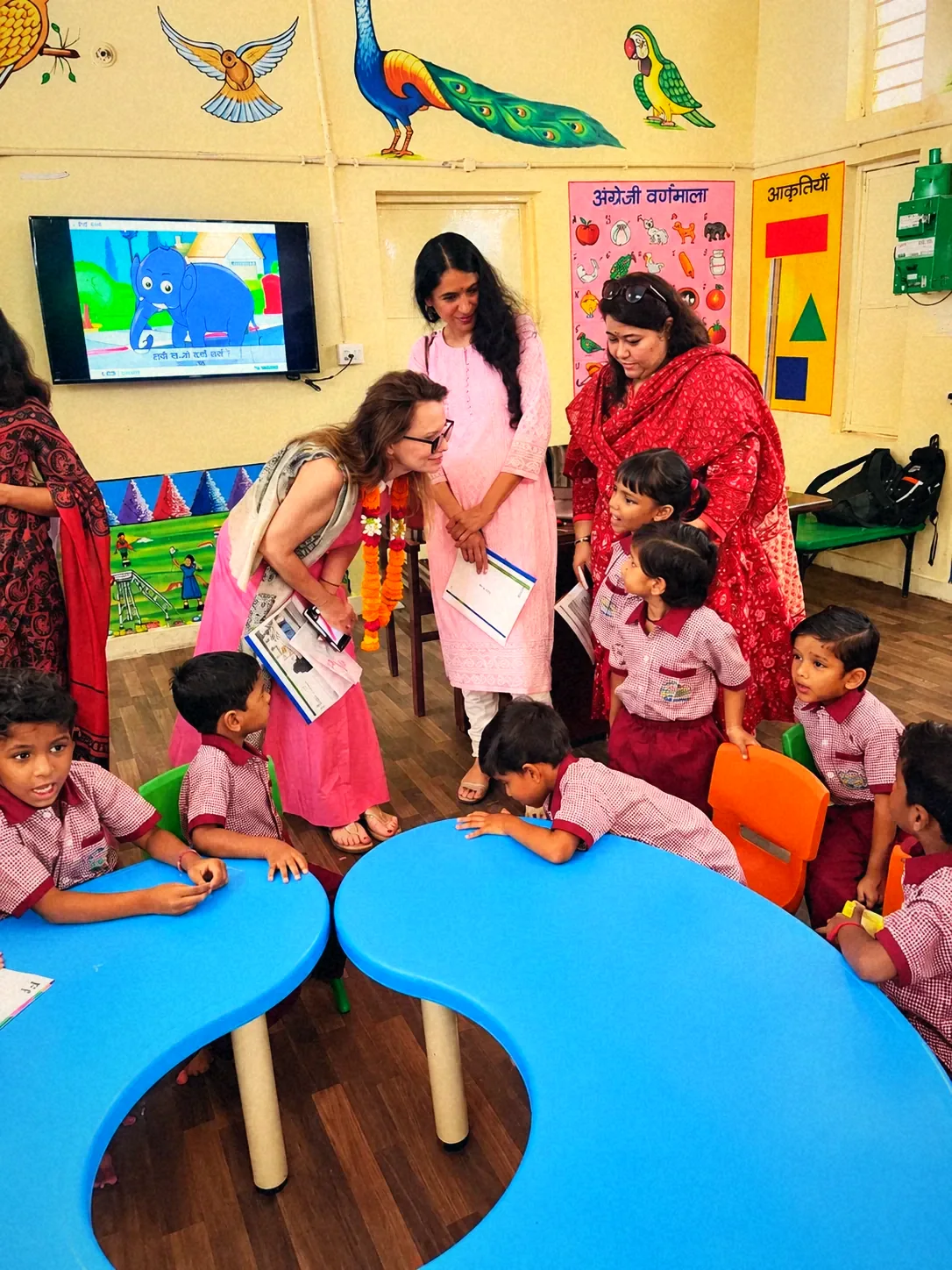

Mental health support in India is scarce, and the systems needed to scale it are underdeveloped. CPMH researches, tests and scales solutions built for the Indian context. It has developed 22 research-backed interventions to date.
Health protects every rung

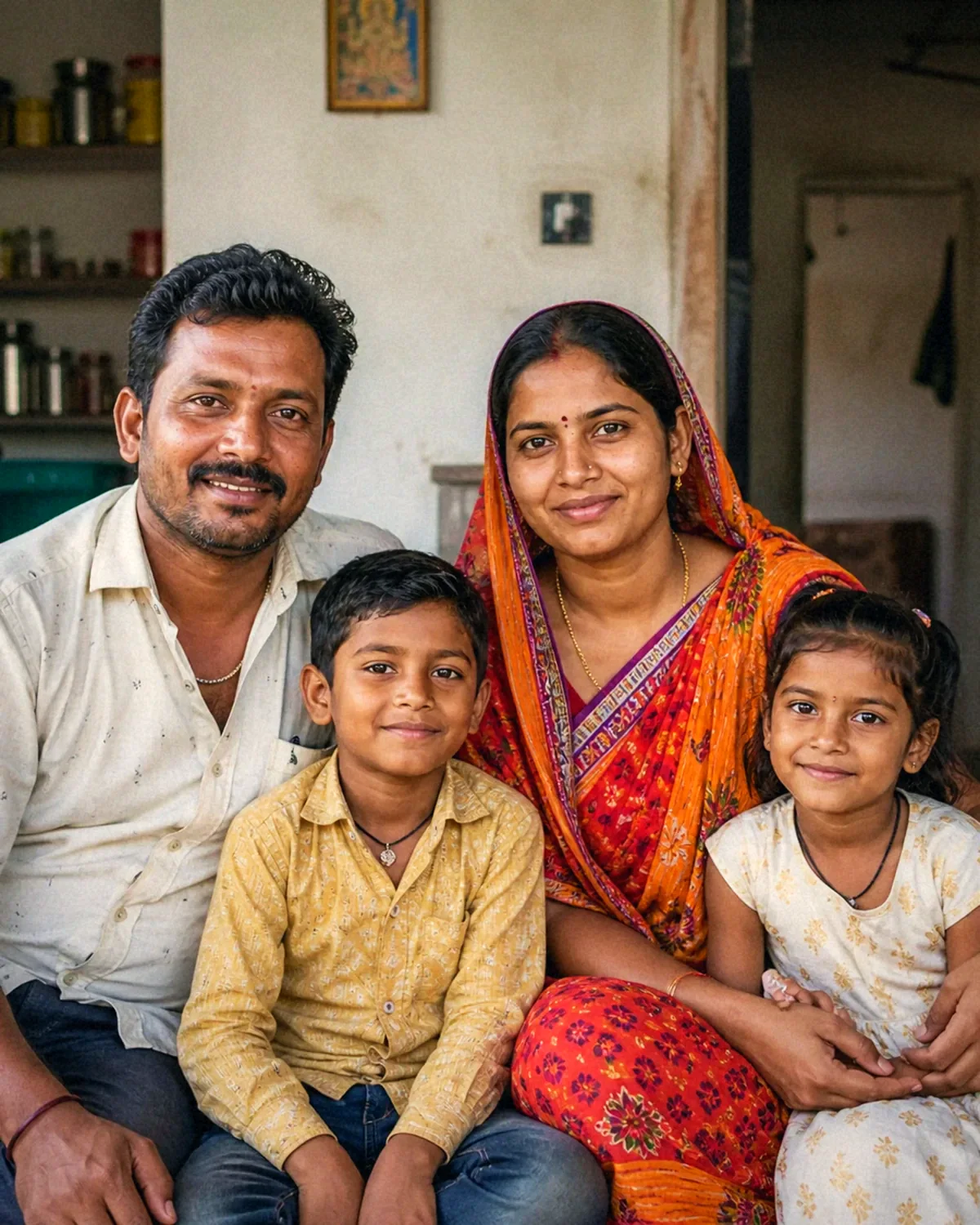
For a low-income family, illness can mean treatment costs, lost working days, reduced household income, distress borrowing, withdrawal from school or the collapse of a small enterprise.
Health is therefore both a development outcome in its own right and a critical part of economic resilience.
The rungs we measure
The rungs we build with you

Screening, referrals, awareness and access to quality services.
Including menstrual health, reproductive health and nutrition programs.
Insurance, social-protection and eligible government-scheme linkages.
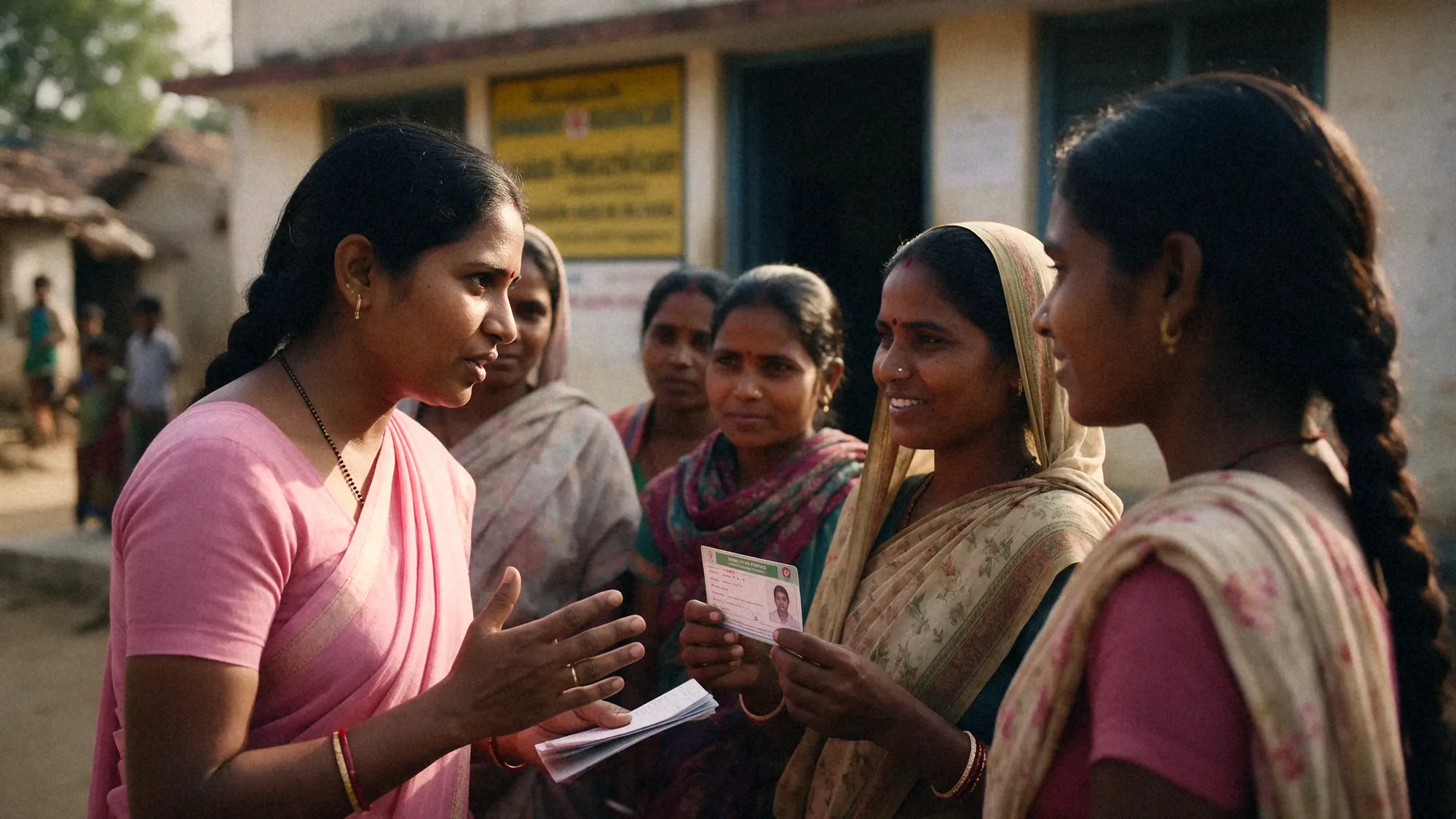
Training and supporting community-based health workers and entrepreneurs.
program-management teams, field capacity, data, technology and coordination with public systems.
Where health barriers materially affect earning capacity or economic security.
Why the rungs must connect
Some of our most effective programs have combined health support with financial inclusion and livelihoods because those challenges are connected in people's lives.
Proof of the climb


Mental health support in India is scarce, and the systems needed to scale it are underdeveloped. CPMH researches, tests and scales solutions built for the Indian context. It has developed 22 research-backed interventions to date.


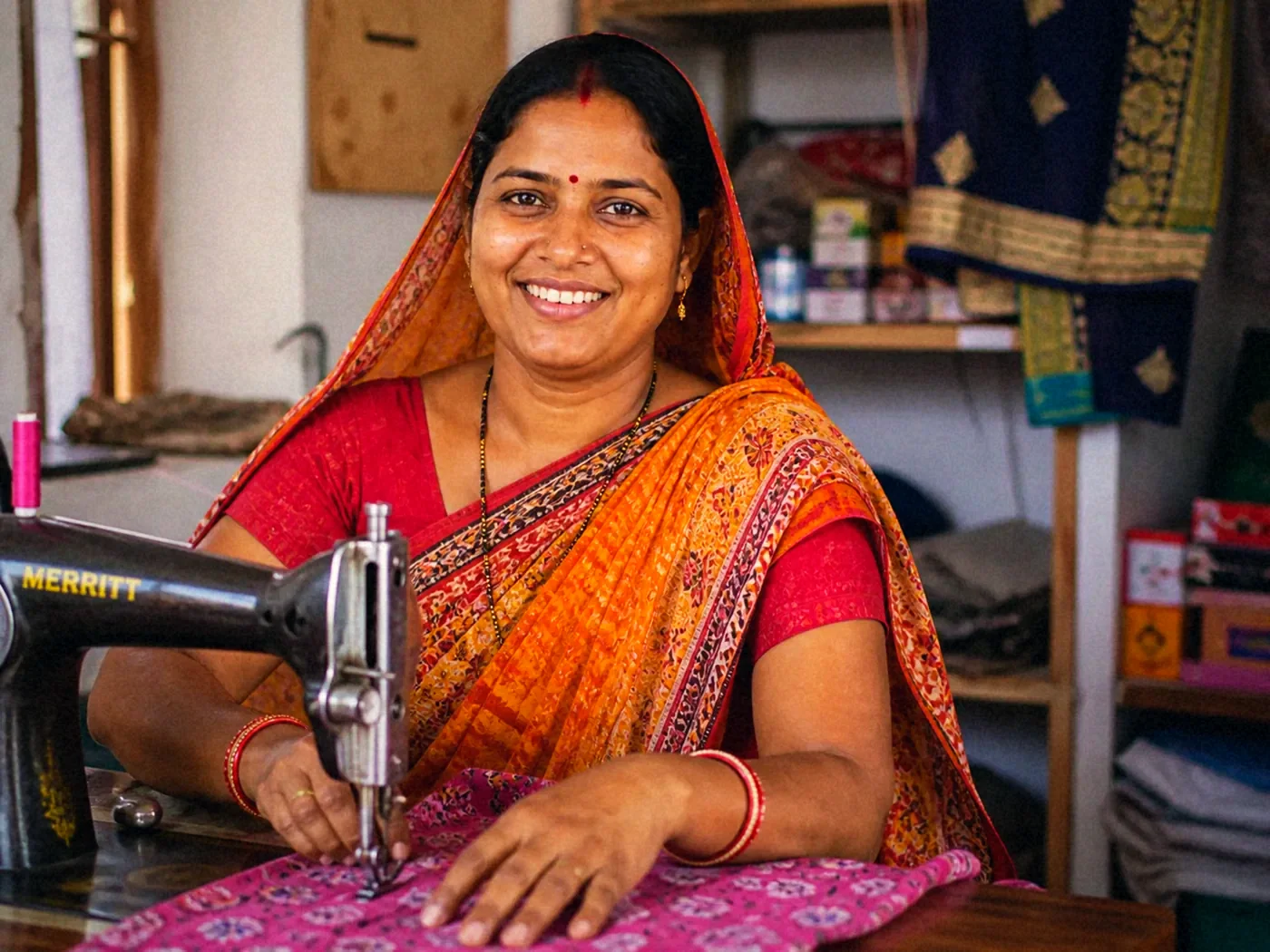
Women's health and their economic security usually get treated as separate problems. WOHLA brought both into one coordinated push. In two years, it reached 291,339 women with a combination of health and livelihood support.

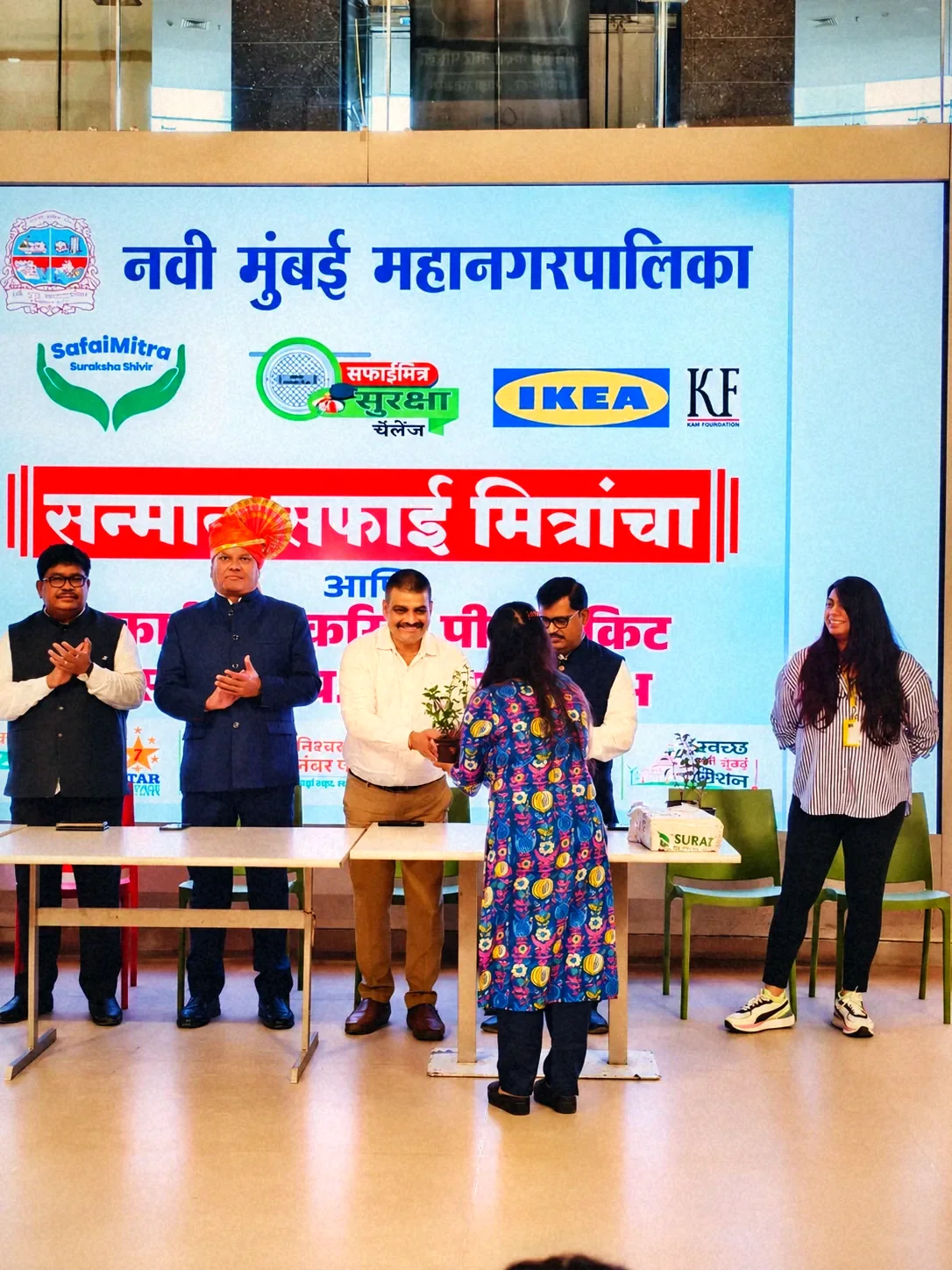
Frontline sanitation and health workers carried India's public health response through the pandemic, often with little protection for themselves. The India Protectors Alliance stepped in with health services, insurance, sanitation support and safety tools. 5.3 million frontline workers have been supported to date. It was co-created with the Gates Foundation, Hindustan Unilever, and RBL Bank, and supported by 56 other funders, including Pernod Ricard India, IKEA, and Crompton Greaves.

Small, fast-growing towns often get left behind in India's push to improve urban health, without the systems or staff to keep pace. Samyak works inside the Uttar Pradesh government's Aspirational Cities program, strengthening health and nutrition capacity across 100 towns, with hands-on demonstration work in five cities. It has also launched Sadhika, training women and LGBTQIA+ individuals from low-income urban communities in Lucknow, Mumbai and Pune to deliver home-based primary healthcare as community health entrepreneurs.