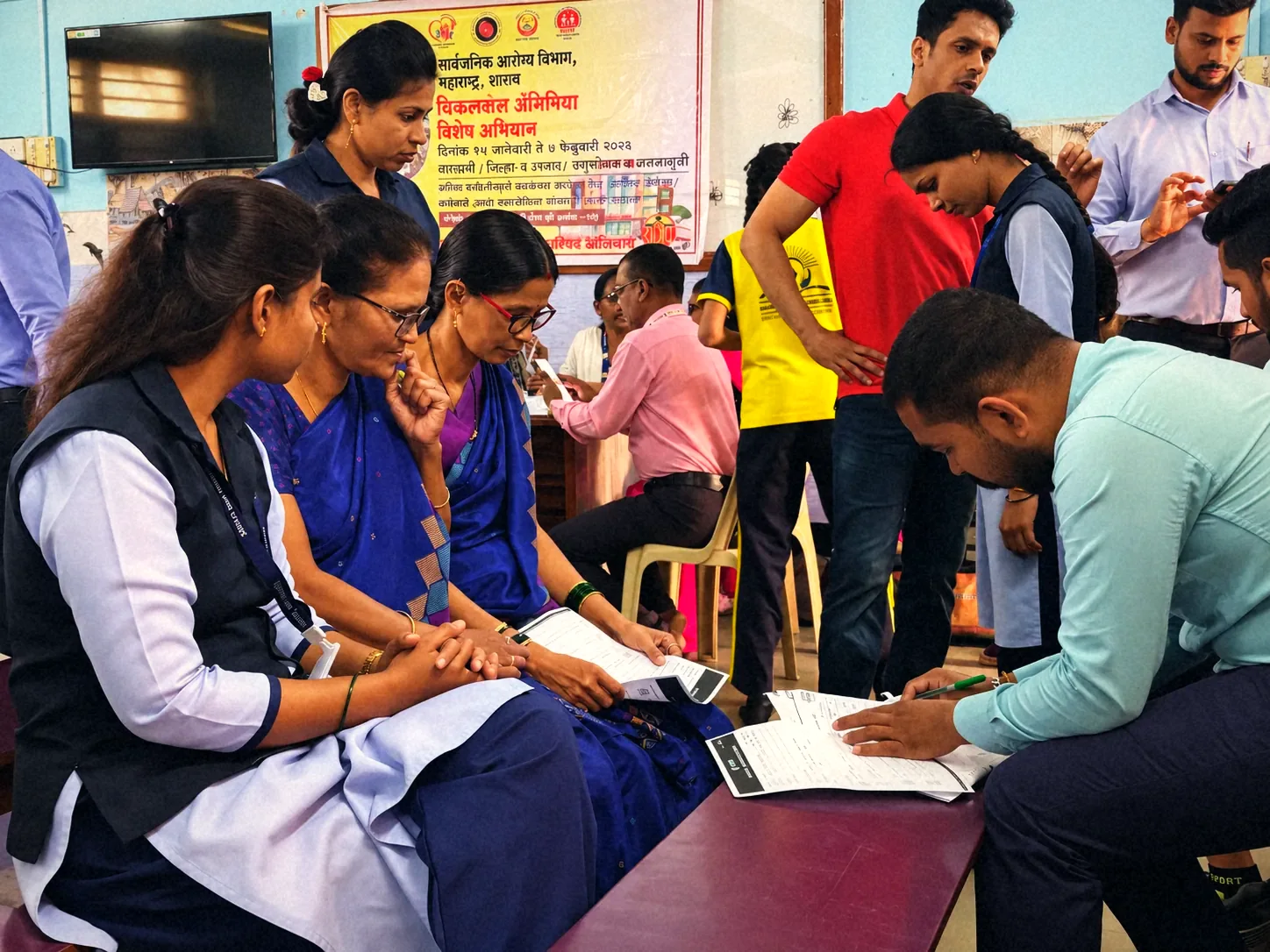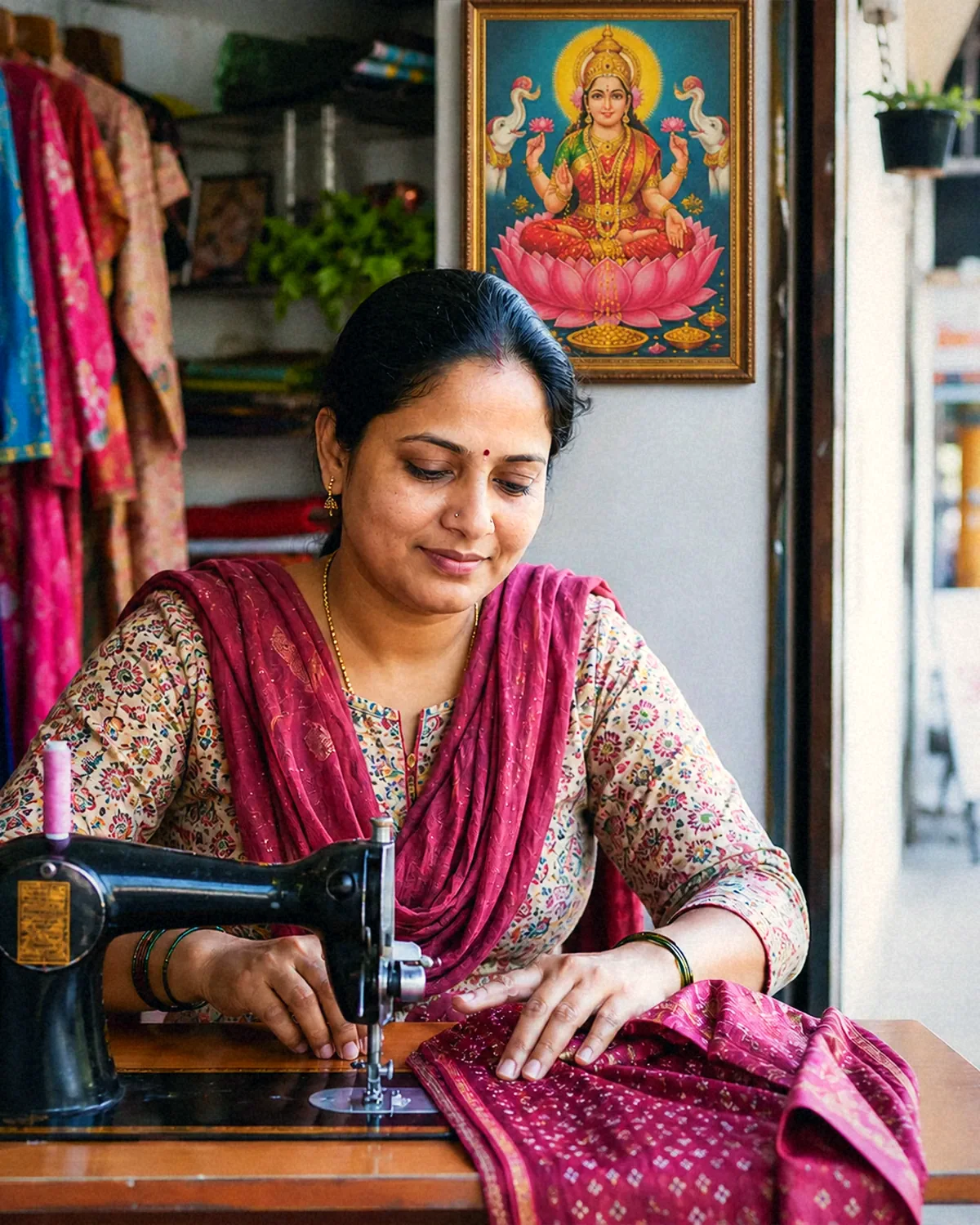
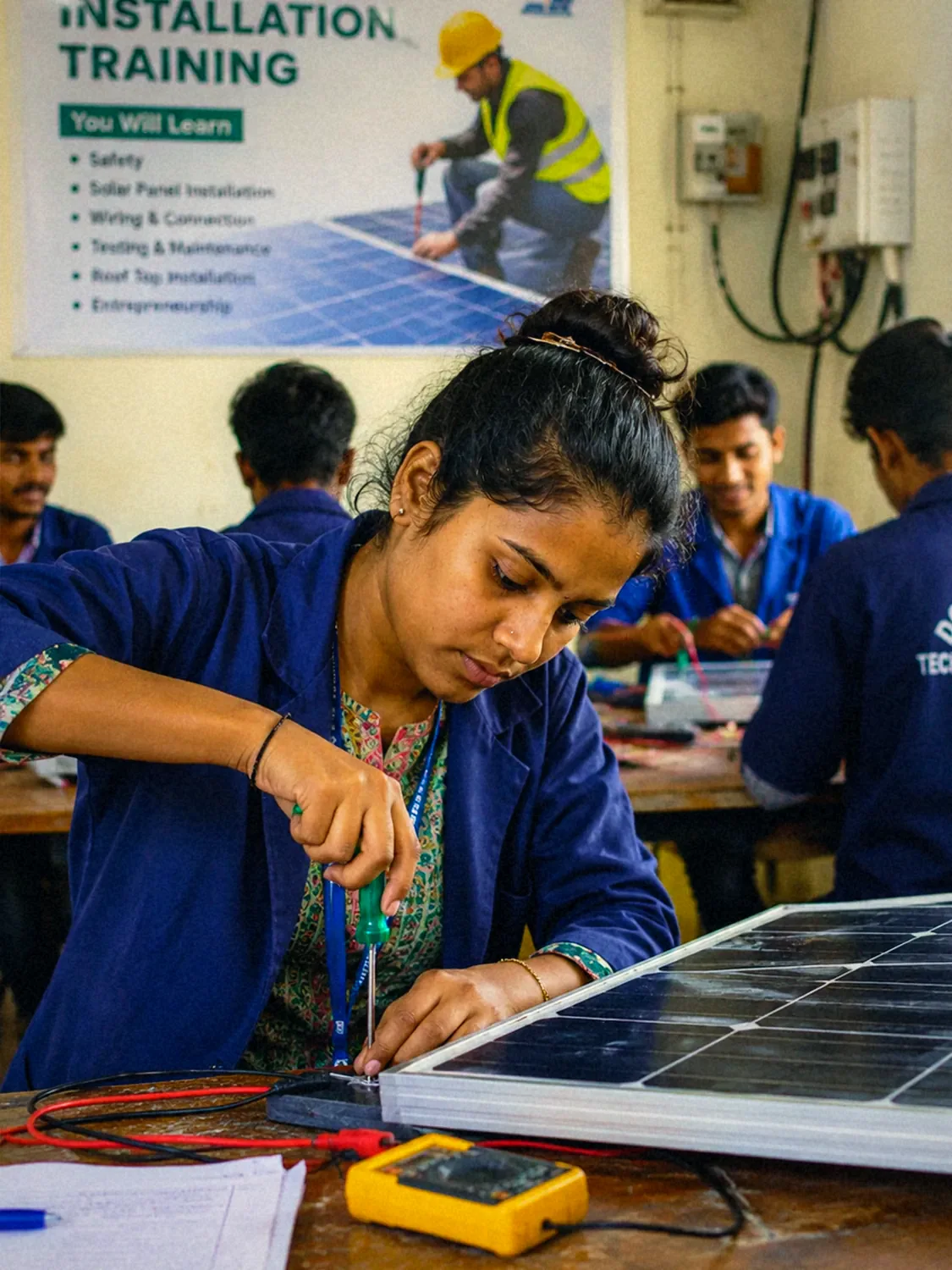
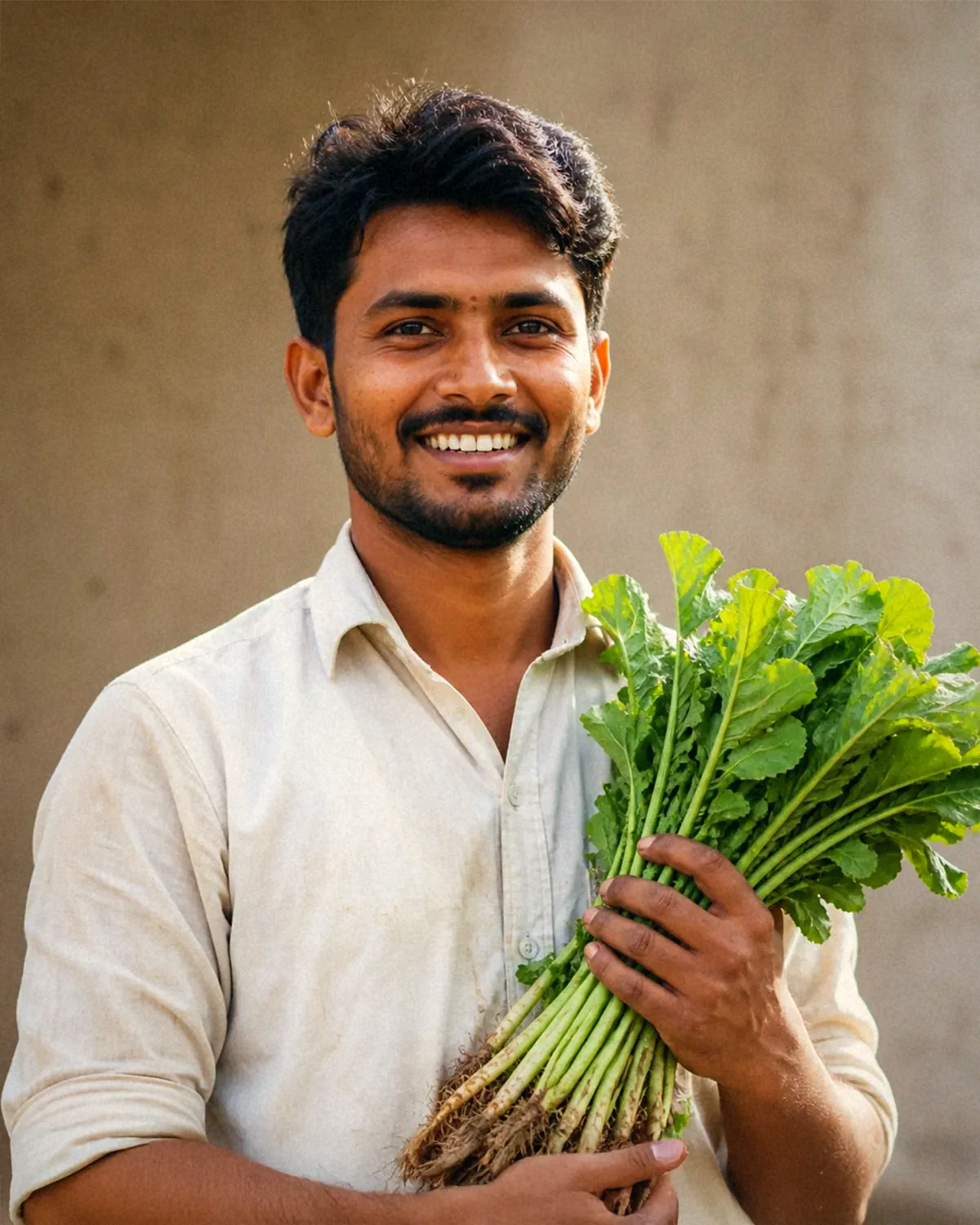
A woman entrepreneur at work in her shop

Make your CSR rupee work harder. Up to 20x harder.

For CSR leaders and philanthropic funders. Make every rupee go further by reaching more people and unlocking additional funding.

Submit a funding inquiry

CSR & FCRA compliantIndependently reviewed by CAP & KPMG

  • 1 lakh+Entrepreneurs, workers, and farmers supported
  • 70–100%Growth in incomes
  • 21Funding partners
  • 27Grassroots partners
  • 4Financial institutions
  • ₹67 crDisbursed
  • 75–100%Repayment rates
  • Up to 3×Multiplier to philanthropic funders
  • ₹20 cr+Unlocked in loans
  • 3,800+Micro-entrepreneurs and farmers supported
  • Up to 20×Leverage to funders

The gap

India needs more, 2x more.

From farmers, gig workers, and micro-entrepreneurs to youth and women from underserved communities.

Funding exists, from government, philanthropic organisations, and the private sector. Together, they contribute ₹13 lakh crore, but we need ₹28 lakh crore more to meet our Sustainable Development Goals. No single sector can close the gap alone. Each plays a role. None can do it by itself.

Source: Unlocking SDG Finance in India, UN Global Compact Network India.

The move

Catalytic finance does more with the same money.

It ensures every rupee of philanthropic funding creates outsized impact by reaching more people as well as unlocking larger pools of public and private funding for underserved communities.

Delivered through two key principles, working independently or in tandem.

01

Multiplier effect.

The same money, used again and again.

By giving people the option to repay the grants they receive, the same funding can be recycled to support more and more people over time.

02

Leverage.

A little unlocks a lot.

A small amount of philanthropic capital addresses market challenges and unlocks vast amounts of public and private capital.

Our instruments

Three tools, each with a clear catalytic effect.

Used alone or combined into a single program, depending on the funder's goals and the community being served.

Returnable Grant

Up to 3×

Zero interest. Zero collateral.

Capital for people who have never taken a formal loan. Repayment is a moral obligation, not a legal one. Borrowers repay if they can, when they can, and the same pool funds the next person. 75–100% of borrowers have repaid across programs.

Best for: first-time, small-ticket capital for borrowers outside the formal financial system.

Interest Subvention

~6×

Affordable credit, where it matters.

Philanthropic capital brings down the interest on a commercial loan, making it affordable for low-income borrowers. Ideal for supporting working capital, skilling, and asset financing needs.

Best for: borrowers who can access loans but cannot afford the interest rates.

Credit Guarantee

Up to 20×

The biggest leverage in the toolkit.

Philanthropic capital absorbs a small portion of a bank's lending risk, unlocking commercial loans for borrowers who would otherwise be declined. ₹10,000 of guarantee can unlock ₹1–2 lakh in lending. Nil philanthropic guarantees have been invoked till March 2026.

Best for: borrowers who are rejected from formal loans due to high risk perception.

Illustrative pathways

Same instruments. Different lives.

Each pathway follows a different route from the informal to the formal economy, ending in the same place: financial independence through philanthropic support.

A micro-entrepreneur at her workshop.

Pathway 01

Entrepreneurship

  1. 01.Receives a credit-guarantee-backed loan.
  2. 02.Invests in equipment and working capital. Productivity grows.
  3. 03.Repays on time. Builds a formal credit history.
  4. ✓ Qualifies for commercial loans without a guarantee.

What makes it work

Key features of our approach.

Eight design principles that run through every program we build, from ideation to execution.

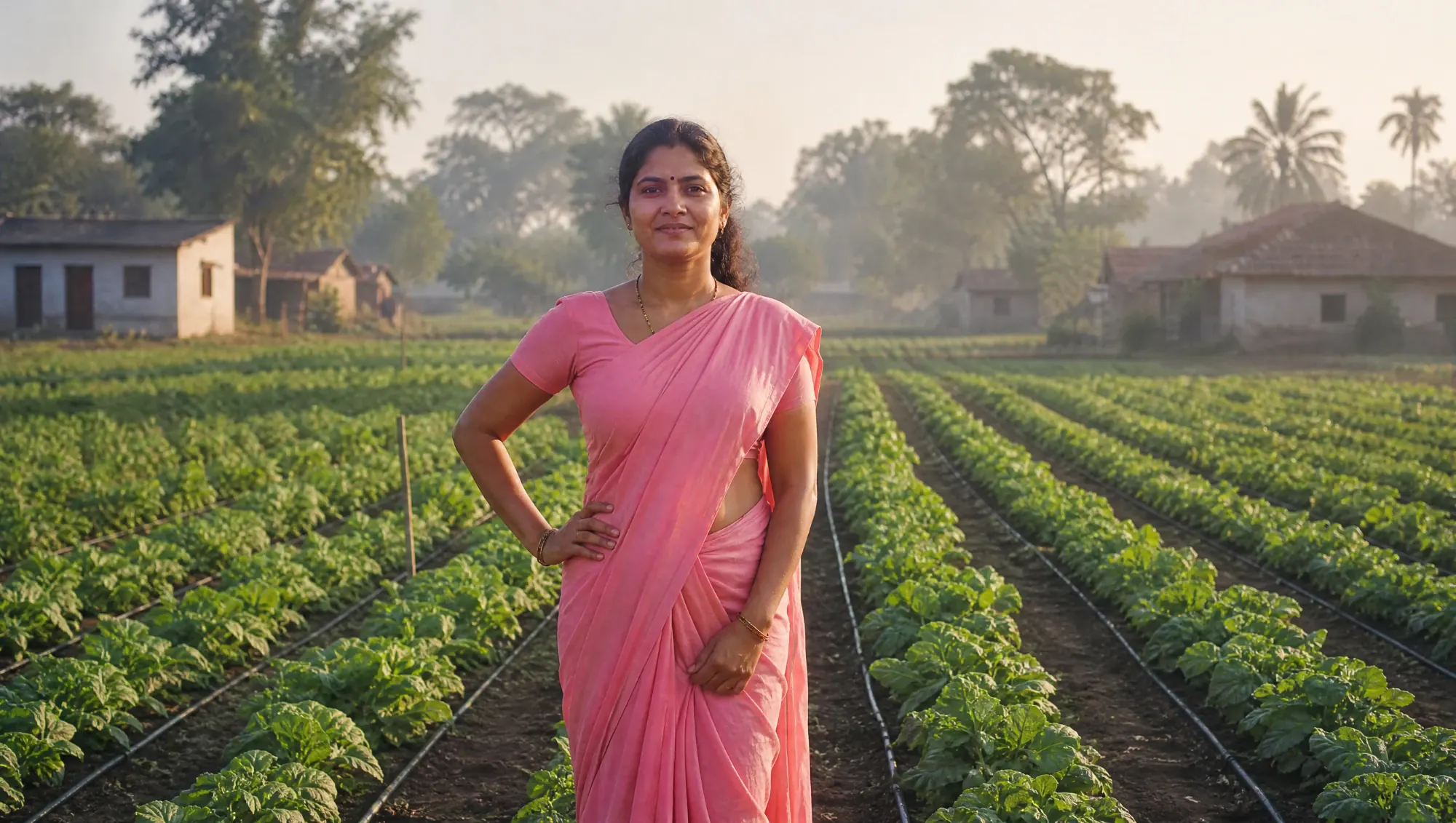
A woman farmer standing in her irrigated vegetable field

Designed for people with varying needs, backgrounds, and levels of credit readiness. No single tool is forced on every person.

What good catalytic finance should prove

  • Did the capital reach someone who would otherwise have been excluded?
  • What additional capital did it unlock?
  • Did the person’s income, resilience, enterprise or formal financial access improve?
  • How did the portfolio perform? What did repayment, utilisation, guarantee claims and credit progression look like?
  • Could the model eventually operate with less philanthropic support?
See our catalytic-finance evidence →

The network behind every program.

We design and run catalytic finance programs in partnership with five kinds of organisations.

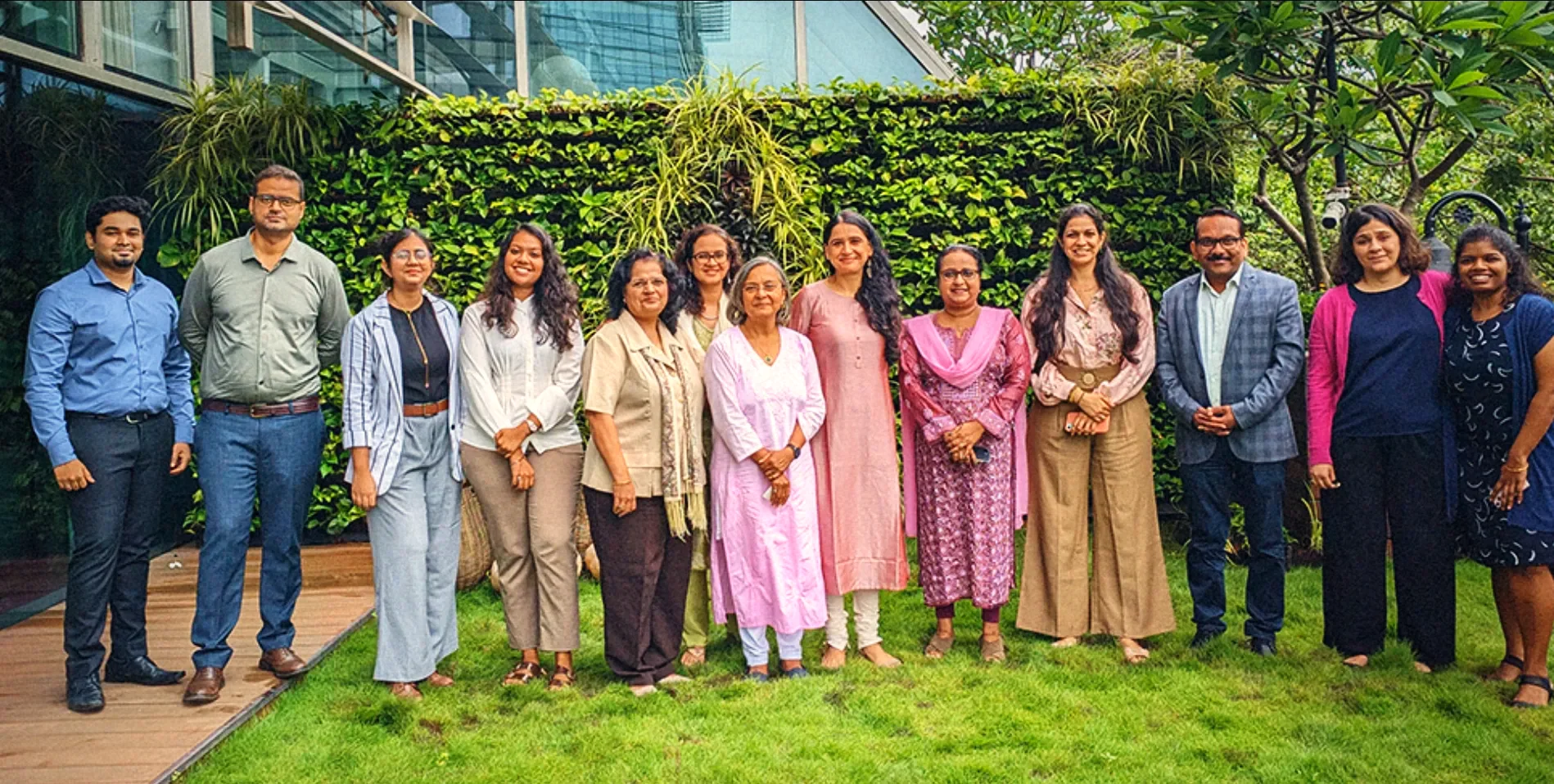
The Samhita-CGF team with partners
  1. 01

    Philanthropic, CSR & HNIs.

    Funders who partner with us to design and execute catalytic finance programs across skilling, entrepreneurship, women's economic empowerment and climate resilience.

  2. 02

    Banks, NBFCs & Financial Institutions.

    Commercial lenders who extend credit to underserved borrowers, backed by our guarantees and risk structures.

  3. 03

    Government & Public Sector.

    Public institutions and schemes that extend our reach and help us scale programs rapidly across India.

  4. 04

    Grassroots & Community Partners.

    NGOs and community organisations who have spent years building trust on the ground, directly supporting farmers, micro-entrepreneurs, gig workers, women and youth in their networks.

  5. 05

    Private Sector Partnerships.

    Companies partnering with us to bring catalytic finance to the workers, farmers, vendors and micro-entrepreneurs across their workforce and supply chains.

What the numbers say.

Entrepreneurs, workers, and farmers supported
1 lakh+
Growth in incomes
70–100%
Funding partners
21
Grassroots partners
27
Financial institutions
4

Returnable Grants

₹67 cr

Disbursed

1 lakh+

informal workers, job seekers, micro-entrepreneurs and women supported

75–100%

Repayment rates

Up to 3×

Multiplier to philanthropic funders

Philanthropic Credit Guarantees

₹20 cr+

Unlocked in loans

3

Guarantees managed

3,800+

Micro-entrepreneurs and farmers supported

Up to 20×

Leverage to funders

17M+ lives impacted · 28 states · 15 years · 250+ funders

Case studies

Six programs. Real outcomes.

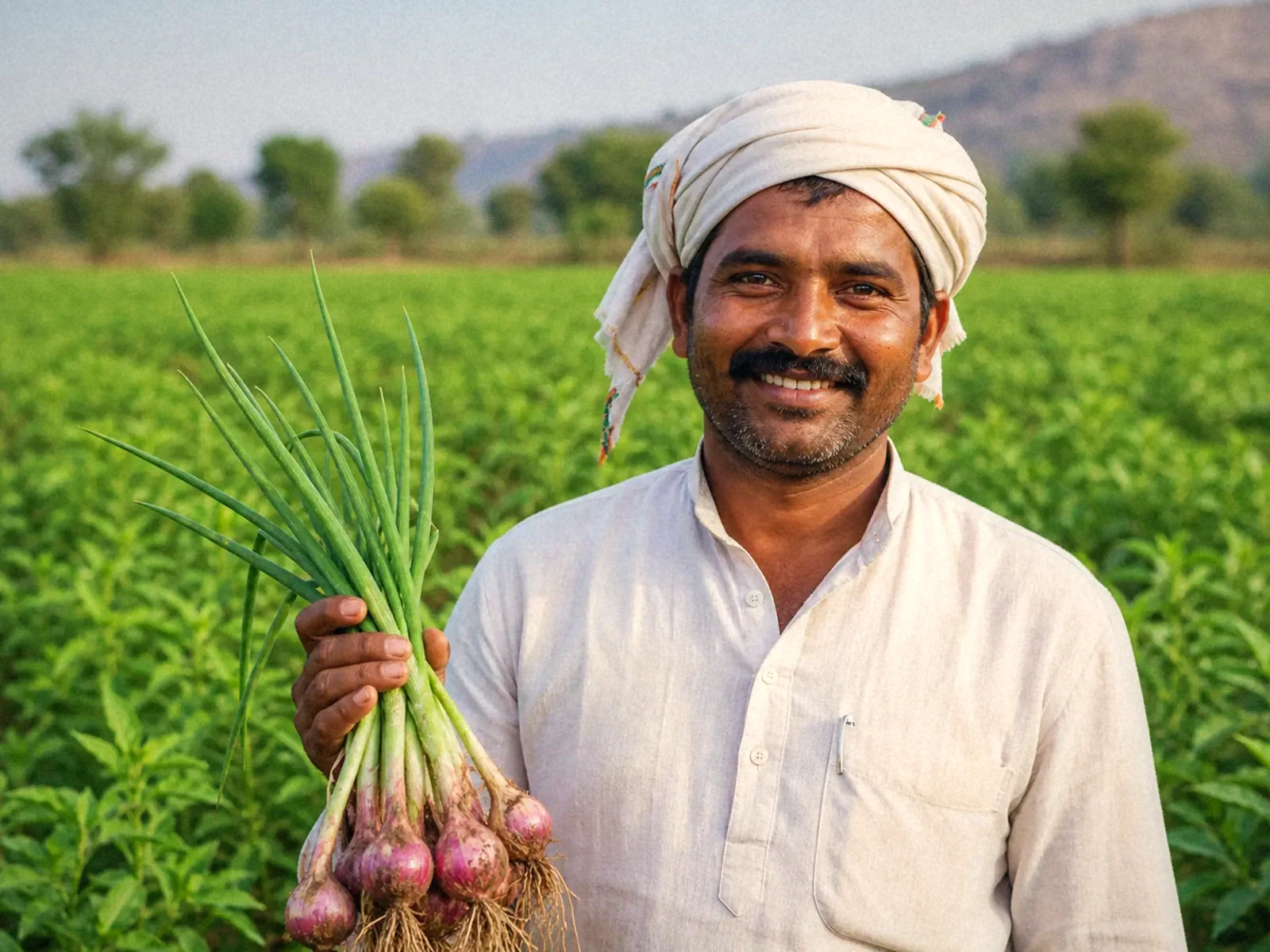
A smallholder farmer in a field in Maharashtra.

FY 23–26 · Climate Resilience · Maharashtra

95%RG repayment rate
20×Leverage to funder
159%Farm income growth
In partnership withWalmart.org

In Maharashtra, 6,000 farmers across 12 Farmer Producer Organisations received a combination of returnable grants and guarantee-backed loans. The returnable grants, averaging ₹9,000 each, achieved a 95% repayment rate. Average annual farm income grew 159%. Average annual revenue grew 77%. On the guarantee side, ₹25 lakh of philanthropic capital unlocked ₹5 crore in formal bank loans, a 20x leverage, with not a single invocation to date. At the FPO level, average revenue tripled from ₹5 crore to ₹15 crore in three years.
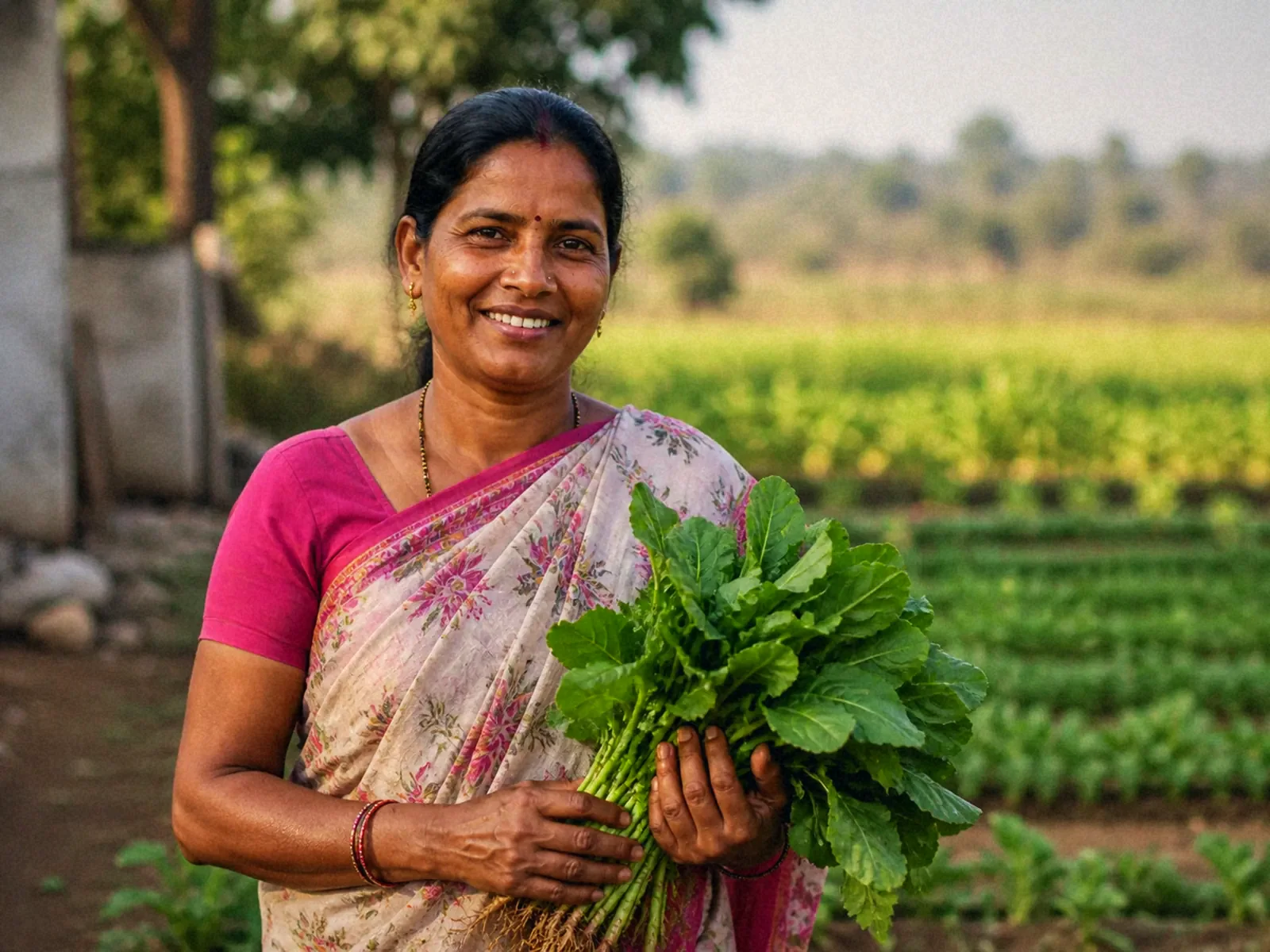
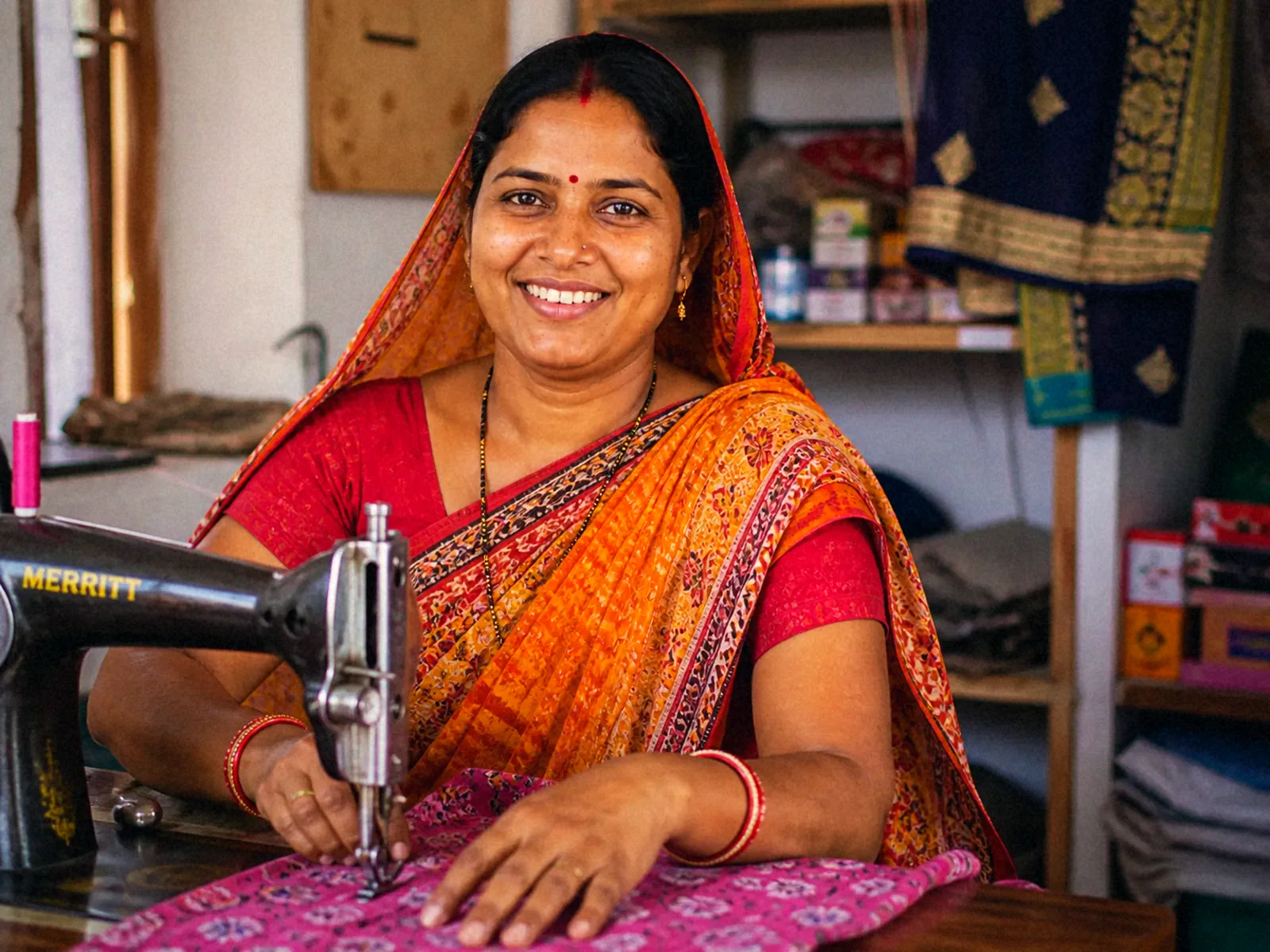
A woman entrepreneur in Maharashtra at her business.

FY 23–24 · Women Entrepreneurs · Maharashtra

85%+Repayment rate
132%Revenue growth
1 in 3Started a second venture
In partnership withAvendus

A returnable grant program in Maharashtra supported 450 women entrepreneurs, many of them marginal farmers, with zero-interest, zero-collateral capital. They were informed that there is no legal obligation to repay, but any money repaid would help additional peer farmers in need. We got back more than 85% of the total funding, which is being used to support additional women entrepreneurs. Their average annual revenue more than doubled, growing 132% and incomes grew 148%. One in three women started a second livelihood venture.

A young person at work in a banking or services environment.

FY 24–26 · Working Capital & Skilling · Multi-state

80%Already repaid
82%Job placement rate
500Young people skilled
In partnership withBajaj Finserv

We gave 2,000 small business owners in retail, services and local enterprises access to working capital through returnable grants. 80% have already repaid, allowing the funds to be redeployed to new borrowers. Alongside this, a skilling program placed 82% of 500 young people into jobs in banking, finance, and beauty and wellness, at salaries of ₹15,000–₹20,000 a month.

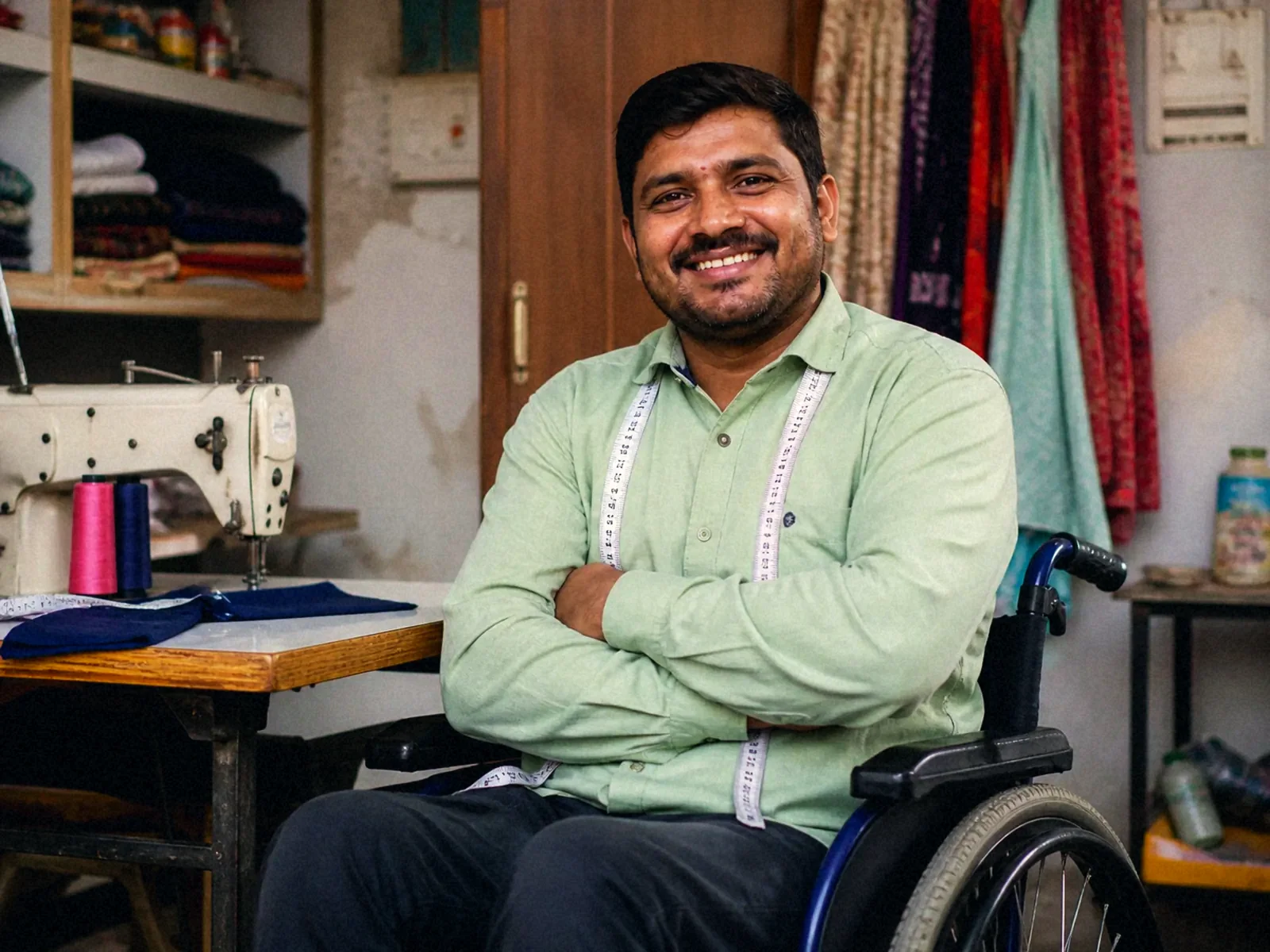
An entrepreneur with a disability at their workspace in Delhi NCR.

FY 21–24 · Financial Inclusion · Delhi NCR

142Entrepreneurs supported
92%Repayment rate
₹27 lakhIn returnable grants deployed
In partnership withMichael & Susan Dell FoundationUSAID

In Delhi NCR, 142 underserved entrepreneurs with disabilities received returnable grants totalling ₹27 lakh to start or grow their businesses. The flexibility of these grants allowed them to invest in what they needed most, from business inputs to adaptive equipment that addressed mobility challenges. The program achieved a 92% repayment rate, demonstrating both the viability of the model and the commitment of the entrepreneurs. By enabling access to capital tailored to their needs, the initiative unlocked livelihoods for borrowers that are often excluded from traditional financing systems.

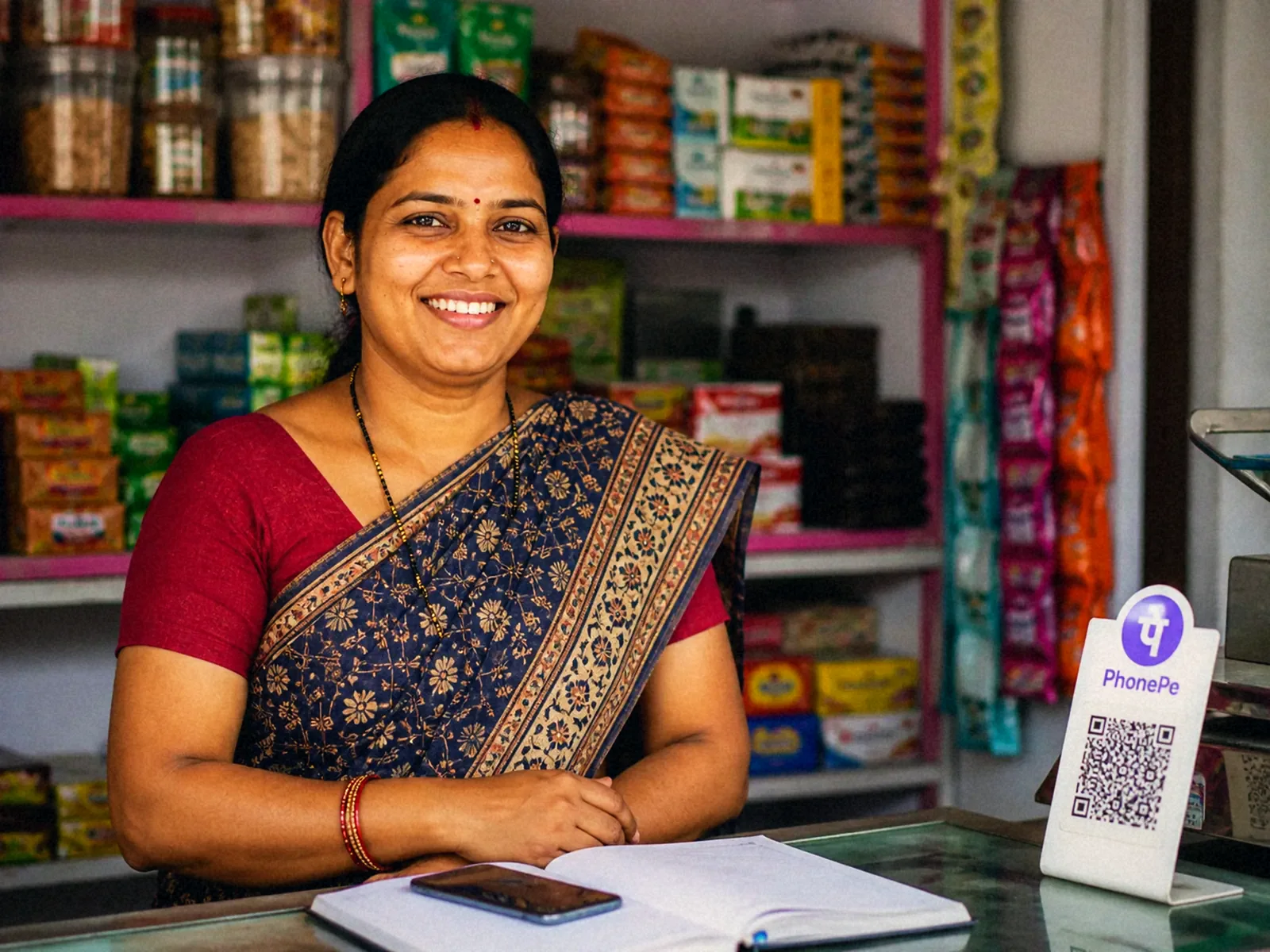
A woman entrepreneur in a Gujarat market.

FY 24–27 · Formal Credit Access · Gujarat

10×Guarantee leverage
2,600Women entrepreneurs reached
₹40,000Average loan size
In partnership with360 ONE Foundation

In Gujarat, 2,600 informal women entrepreneurs, many of them new to credit, gained access to formal loans through a ₹1 crore philanthropic credit guarantee supported by 360 ONE Foundation. This enabled ₹10 crore in lending, with an average loan size of ₹40,000. Over the past two years, the women have demonstrated strong repayment behaviour and the guarantee has been effective in enabling first-time borrowers to access formal finance. By unlocking access to credit at scale, the initiative is helping women entrepreneurs grow their businesses and take a step toward financial inclusion.

A woman entrepreneur in an aspirational district.

FY 24–27 · Women-led Enterprises · Aspirational Districts

10,000+Women entrepreneurs
122%Income increase
60–80%Repayment (ongoing)
In partnership withIndusInd Bank

Across aspirational districts including Dharashiv, Begusarai, Bahraich, Baran, and Virudhunagar, over 10,000 women entrepreneurs are being supported through returnable grants over a five-year period. These grants are enabling a range of livelihood activities, from farming inputs and livestock to inventory for kirana shops and tailoring units, allowing women to invest based on their specific needs. As of March 2026, repayment rates range between 60–80% across districts, reflecting steady business performance. Average annual incomes increased by 122%.

Designed for India. Validated beyond.

An international funder replicated our Returnable Grant model in Afghanistan. Repayment rates exceeded 90%.

Robust toolkits, playbooks, and a measurement framework let our model travel. Catalytic finance, designed well, is not a pilot, it is an exportable approach to closing financing gaps in any developing economy.

How we work with you

Four services.

Every service works standalone or in combination. We plug in wherever you need us most.

A Samhita-CGF program team in a working session
  • We work with you from scratch to design a catalytic finance program tailored to your goals, community, and context. We help you identify the right instruments, structure measurable outcomes, and build in regulatory compliance.

    Best for:Funders exploring catalytic finance for the first time and looking for expert guidance to design the right program.

  • We run your catalytic finance program end to end, selecting and onboarding people, managing disbursements, tracking repayments, ensuring compliance, and reporting outcomes. You have full visibility on where funds go and the impact they create.

    Best for:Funders looking for a trusted end-to-end execution partner for their catalytic finance program.

  • We work with your existing implementation partners to help them transition current programs toward catalytic finance instruments. Whether that means shifting from grants to returnable grants or introducing a credit guarantee structure, we build the capacity your partners need to deliver more impact from the same funding.

    Best for:Funders with existing programs and partners who are keen to adopt catalytic finance without starting from scratch.

  • We design and run curated events and ecosystem convenings, roundtables, workshops, and dialogues, tailored to your goals. We bring the right people into the room, manage everything end to end, and produce the collateral, facilitation, and follow-up reporting that turns a conversation into coordinated action.

    Best for:Funders looking to convene the right stakeholders around a shared challenge or opportunity.

Why now

India is uniquely positioned to scale catalytic finance today.

The money exists.

India's CSR budget is ready to be put to work.

Indian companies already spend ₹25,000+ crore on CSR every year. FCRA opens access to global philanthropic capital on top of that. The funding is here.

The infrastructure is ready.

Critical services can reach anyone, in minutes, at very low cost.

India's Digital Public Infrastructure, Aadhaar, UPI, ONDC, and Account Aggregator, means we can disburse, track, and recycle capital at a speed and scale that simply wasn't possible five years ago.

The model is proven.

The blueprint exists. India can replicate and surpass it.

Catalytic and blended finance has already mobilised over ₹18 lakh crore worldwide. The mechanisms are tested. The question is no longer whether this works, it's how fast India moves.

Frequently asked questions

The questions our partners ask.

What is catalytic finance, and how is it different from a traditional grant?

A traditional grant is spent once. Catalytic finance uses the same philanthropic rupee to help multiple people by recycling it, by unlocking commercial capital from banks, or both.

Two examples of how this works in practice:

  • A Returnable Grant gives a citizen zero-interest, zero-collateral capital with only a moral obligation to repay. When they do, the same pool supports the next person. Our programs have demonstrated up to a 5× multiplier.
  • A Credit Guarantee uses philanthropic capital to absorb a small portion of a bank's lending risk. A ₹10,000 guarantee can unlock ₹1–₹2 lakh in loans for a farmer. As borrowers repay, the same guarantee supports more loans. We have unlocked up to 20× in formal lending this way.

What is a Returnable Grant, and how does it work in practice?

A Returnable Grant is zero-interest, zero-collateral capital for citizens who have never taken a formal loan. Typical amounts are ₹5,000 to ₹25,000, put towards skilling, working capital, or essential equipment.

Citizens voluntarily repay as their income stabilises, and in doing so, they build a track record of responsible financial behaviour. The repaid funds are redeployed to support the next citizen.

There is no legal obligation to repay. But citizens understand that when they do, the next person gets a chance. In our programs, that sense of collective responsibility translates into repayment rates of 75–100%.

How does a ₹10,000 credit guarantee really unlock 20× or ₹2 lakh in formal loans?

Banks are willing to lend, provided their risk is manageable. When a bank lends ₹2 lakh to a farmer with no formal credit history, its main concern is what happens if the farmer cannot repay.

A ₹10,000 philanthropic guarantee covers 5% of the loan amount, a small portion of the risk, but often enough to make the lending viable from the bank's perspective. The bank extends the full ₹2 lakh; the guarantee sits as a backstop.

Depending on the borrower segment and the bank's risk model, the guarantee ratio can range from 5% to 10%, producing the 10–20× leverage we see across our programs.

Is Catalytic Finance compliant with CSR and FCRA regulations?

Yes. Compliance is engineered into the design of every catalytic finance instrument we run, not added later.

Our instruments have been independently reviewed by the Centre for Advancement of Philanthropy and KPMG, and confirmed compliant with CSR (Companies Act Schedule VII), FCRA (Foreign Contribution Regulation Act, 2010), and RBI frameworks.

If your legal or compliance team has specific questions, we can share the written legal opinions and walk through them. Write to catalyticfinance@samhita.org.

Can UHNIs, family offices, or private donors use these instruments?

Yes. Corporate CSR teams, philanthropic foundations, UHNIs, family offices, and institutional funders can all deploy through the catalytic finance architecture, with the same leverage and compliance posture.

Typical structures for an individual donor, a family office, or a foundation include:

  • A corpus of Returnable Grants aligned to a cause you care about, for example, women entrepreneurs in a specific state, with repayment and redeployment reported on a defined cadence.
  • A First Loss Default Guarantee (FLDG) structured through a partner NBFC, unlocking commercial lending at 10–20× your commitment.
  • A blended commitment combining catalytic capital and grant support for an end-to-end program, with Samhita-CGF handling design, compliance, and operations.

Ready when you are

Design a Catalytic Finance program with our team.

We will start with your goals, constraints, and community focus. Within two weeks, you will have a draft program design, an instrument recommendation, and a compliance memo.

CSR & FCRA compliant. Independently reviewed by CAP & KPMG.

Primary path

Submit a funding inquiry.

Tell us about your priorities. We will respond within three working days with an initial concept note for discussion.

What type of funder are you?
What are you most interested in? (optional)

We will email a confirmation to the address you provide. Your information is handled per Samhita's privacy policy.

Secondary path

Or book a discussion call.

Not ready to commit to a program scoping yet? Schedule a 30-minute call with our Catalytic Finance team to talk through what is possible. No deck, no pitch, just a conversation.

Book a 30-minute call →

Or write directly: catalyticfinance@samhita.org